It is thought that Hong Kong was part of a great tropical broad-leave forest with abundant elephants, tigers, wild red dogs, and a wide variety of tropical species about three thousand years ago. However, agriculture and urbanization depleted the natural habitats. Huge forest trees were gradually logged or burned, and some large mammals such as South China Tiger were hunted as they were considered dangerous or man-eaters. As a result, many species that had flourished in Hong Kong began to die out. Fortunately, certain species were able to adapt to these changes. Some survived into the early 1900s and some even today.
How many species of wild terrestrial mammal exist in Hong Kong? Most people would say “not many” as Hong Kong is a physically small city of about 110,000 hectares and famous for its urban landscape and dense human population. Besides, most mammals are nocturnal and avoid humans, so they are seldom seen by casual observers and their presence is likely to be overlooked. The surprising fact is that over fifty species of mammals live in the territory, including some rare and precious ones, like Eurasian Otter and Chinese Pangolin, which can still be found in some protected areas of Hong Kong.
There is no doubt that mammals have a great impact on the ecosystem as they utilise many types of food and occupy various habitats at almost all latitudes. Insectivorous bats, for example, play an essential part in keeping the populations of night-flying insects in balance. A single bat can catch hundreds of insects in an hour and large colonies of bats catch tons of insects in a single evening, including species of beetles and moths that are agricultural pests.
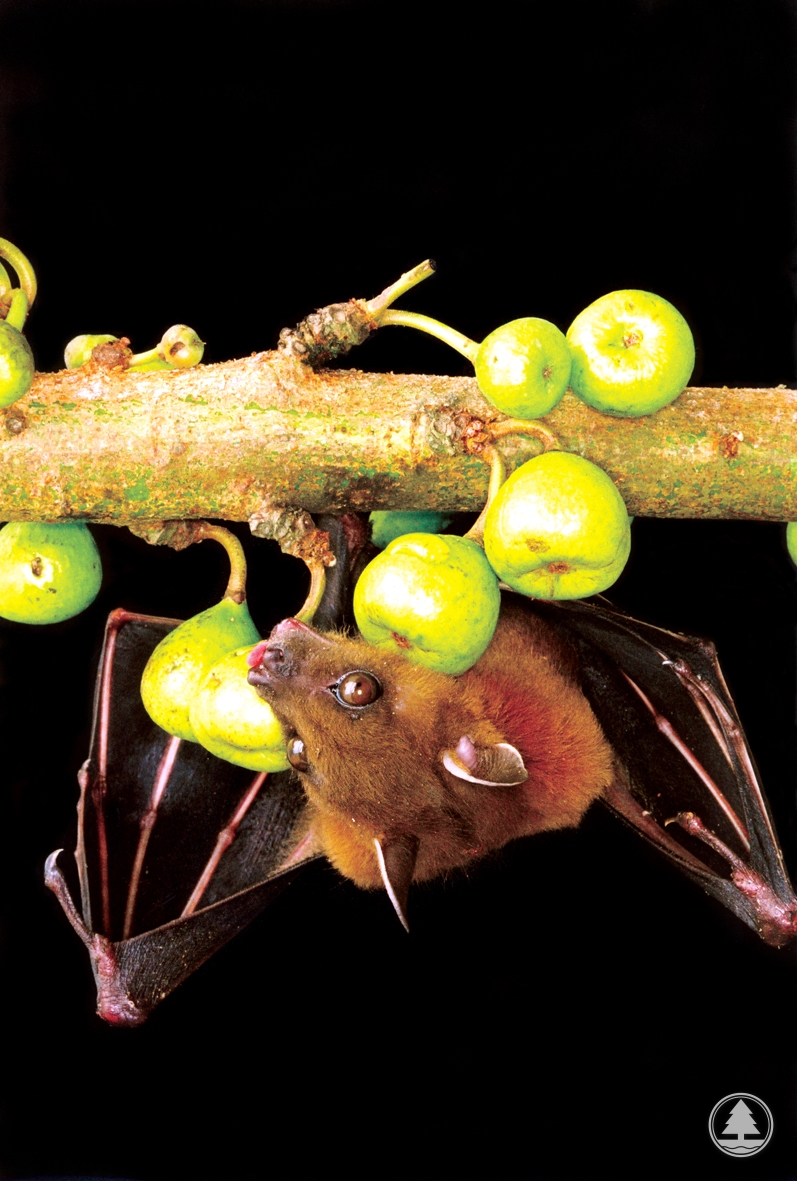
Fruit bats have important roles as pollen or seed dispersers too. More than 500 plant species rely on bats for survival. These include the wild relative of economically important crops such as bananas and mangos. Some of these plants bloom at night, using special odors or flower shapes to attract bats. While birds commonly defecate seeds from branches on the edges of forested areas, fruit bats often do so while flying in the open. Therefore, they are more likely to deposit the seeds in more illuminated areas or deforested areas. Bats have been shown to be important seed dispersers of at least three species of local figs, Common Yellow Stem-fig, Opposite-leaved Fig and Common Red-stem Fig. The ripe figs of these bat-dispersed species are green or yellow, do not attract birds and are available year-round.
Short-nosed Fruit Bat and Common Red-stem Fig

Some other mammals may also act as effective seed dispersers as they store seeds for later consumption. Some rodents, for example, bury seeds in the soil. If they fail to recover them later, the seeds may germinate and grow. In Hong Kong, two hillside rats have been shown to disperse the seeds of small seed shrubs, such as those of Rhodomyrtus and Melastoma, in their droppings. Large mammals also do their part in seed dispersal as they ingest large quantities of seeds. Some plants produce large and hard fruits which are unattractive to birds, bats and other animals, and are only dispersed by large terrestrial mammals. As large mammals have a long gut passage, such seeds can potentially be dispersed over long distances.
Chestnut Spiny Rat
Composition of Hong Kong Terrestrial Mammals
Click here to download the Checklist of Terrestrial Mammals of Hong Kong.
Among the 55 existing terrestrial mammalian species in Hong Kong, 25 species are bats and 30 species are non-flying mammals. These 30 non-flying species can be further divided into two different groups by size: small mammals with head-and-body length less than 25 cm and large mammals with head-and-body length exceeding 25 cm. All listed species are species recorded occurring in Hong Kong over the past 30 years which have established reproducing populations in the urban or wild environments. These also include domesticated species that have established populations in the wild environment.
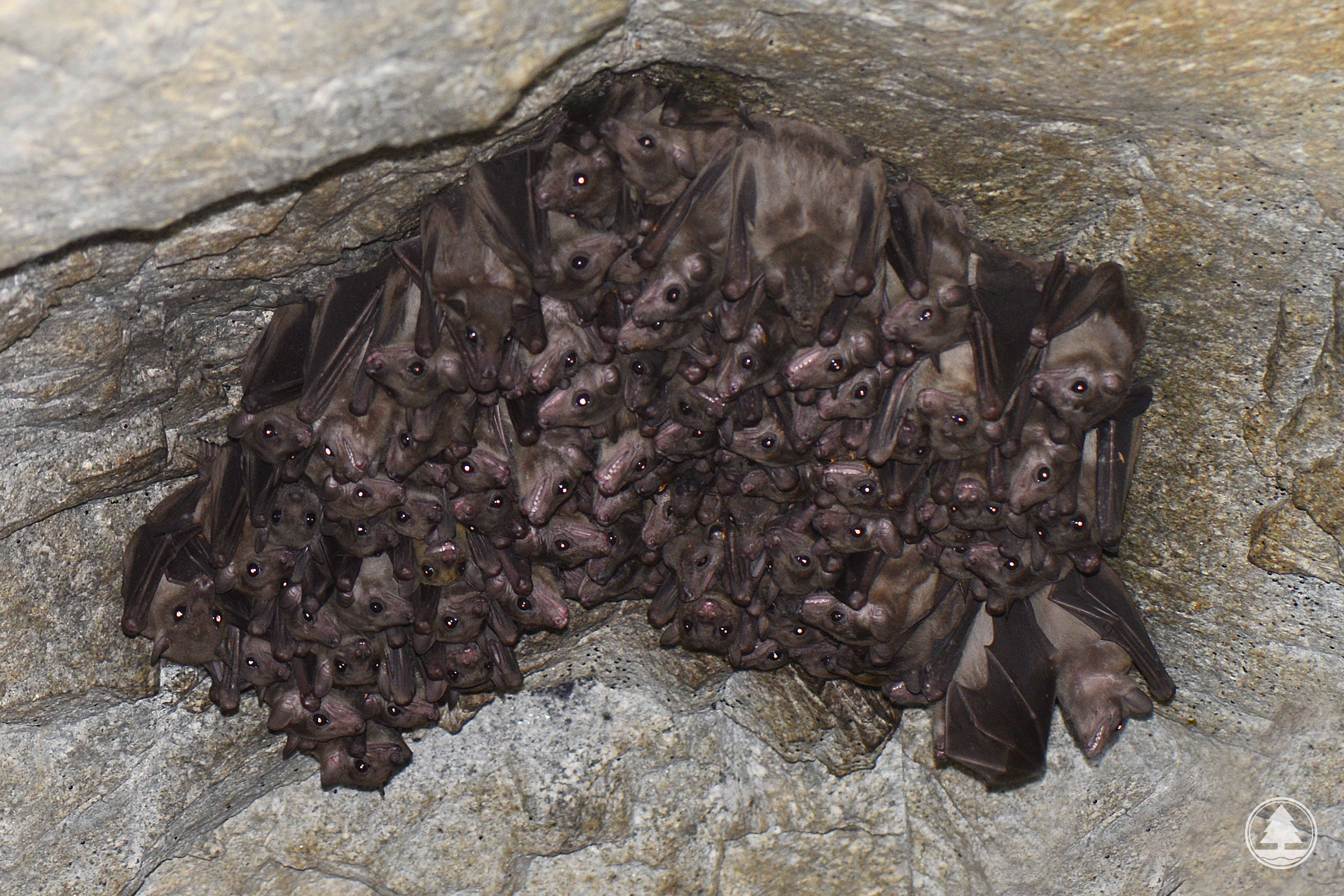
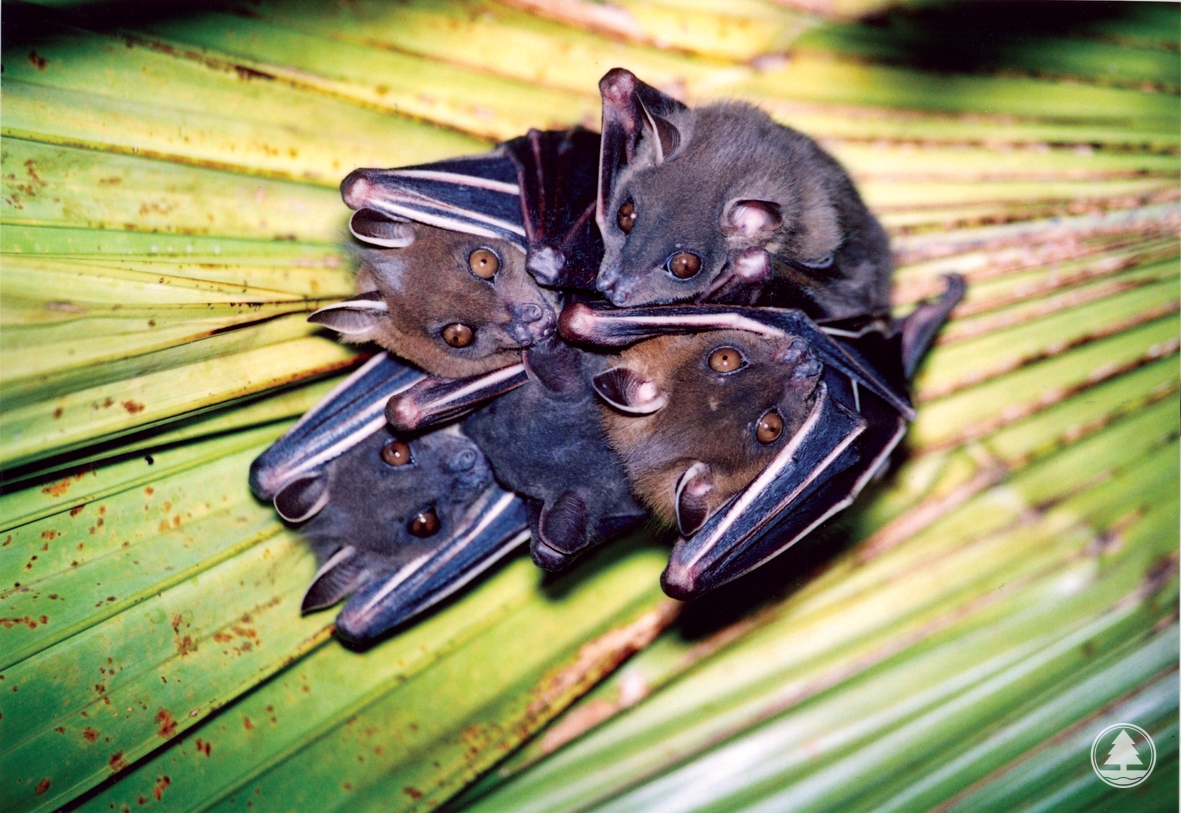
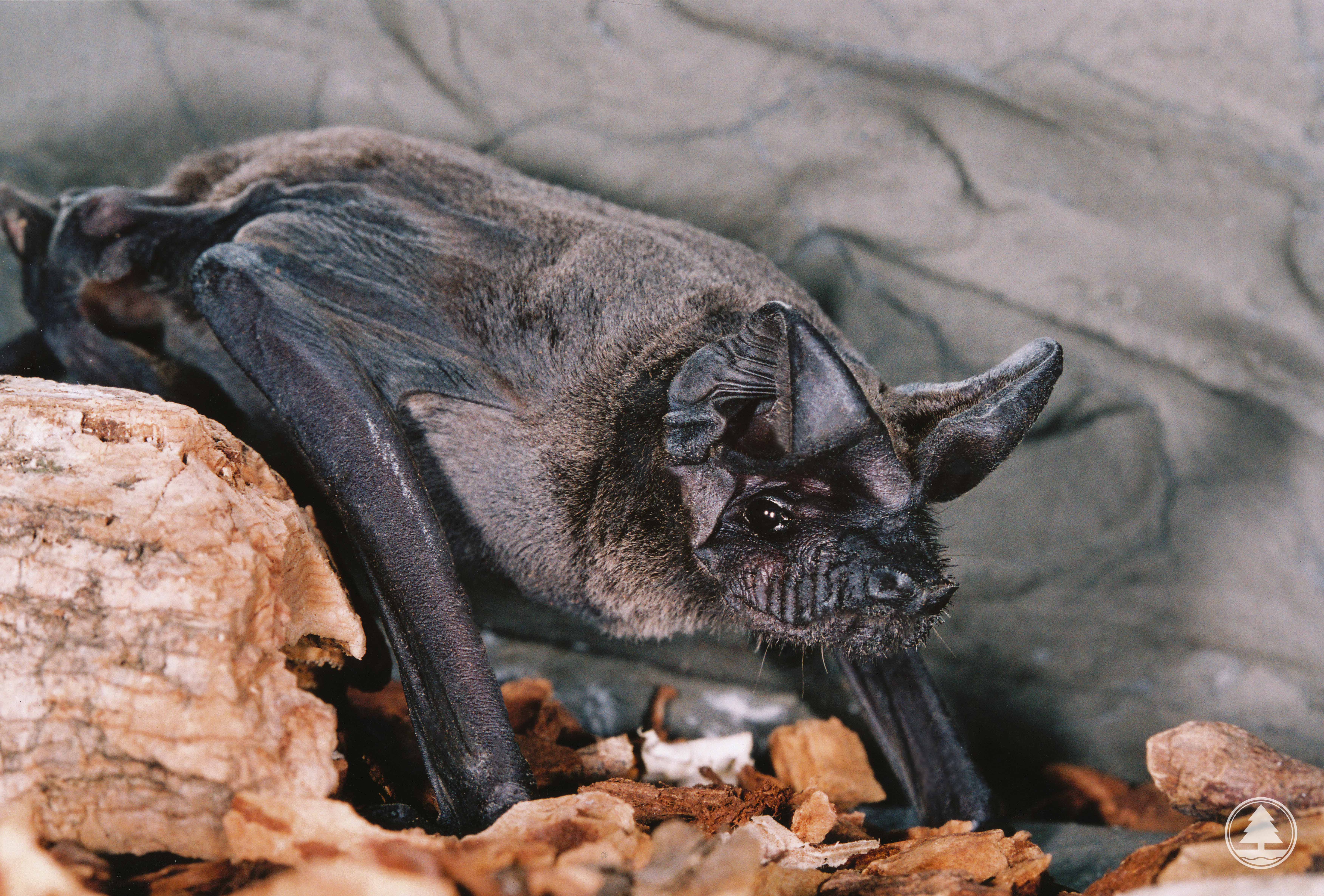
Bats (order Chiroptera) comprise almost half of the mammal species in Hong Kong. Among them, ten species are widely distributed in the water tunnels and abandoned mines of Hong Kong. These include Rickett's Big-footed Myotis and Common Bent-winged Bat. Some species are common in both rural and urban areas. For example, Short-nosed Fruit Bat, which roosts under the fronds of the Chinese Fan-palm and the Petticoat Palms in parks, and Japanese Pipistrelle, which roosts in man-made structures like eaves and crevices of buildings. Greater Bamboo Bat is only recorded in the Plover Cove Country Park in 2005 while it’s close relatives Lesser Bamboo Bat is widely distributed throughout Hong Kong. Among the species recorded by mist net survey, Least Pipistrelle and Lesser Yellow Bat are uncommon species while Whiskered Myotis, Chinese Pipistrelle, Greater Bamboo Bat and the Unidentified Pipistrelle are rare species. Wrinkle-lipped Free-tailed Bat and Black-bearded Tomb Bat have been recorded in many parts of the urban areas during early winter. However, no roosting site of this species has been found in Hong Kong. The individuals recorded were probably either stray or foraging into Hong Kong from nearby roosting sites outside Hong Kong. The recently discovered species, Serotine, was first recorded in Hong Kong in the winter of 2014, and so far has only been recorded on the Hong Kong Island.
Leschenault's rousette in a water tunnel
Short-nosed Fruit Bats roost under the fronds of the Chinese Fan-palm
Wrinkle-lipped Free-tailed Bat
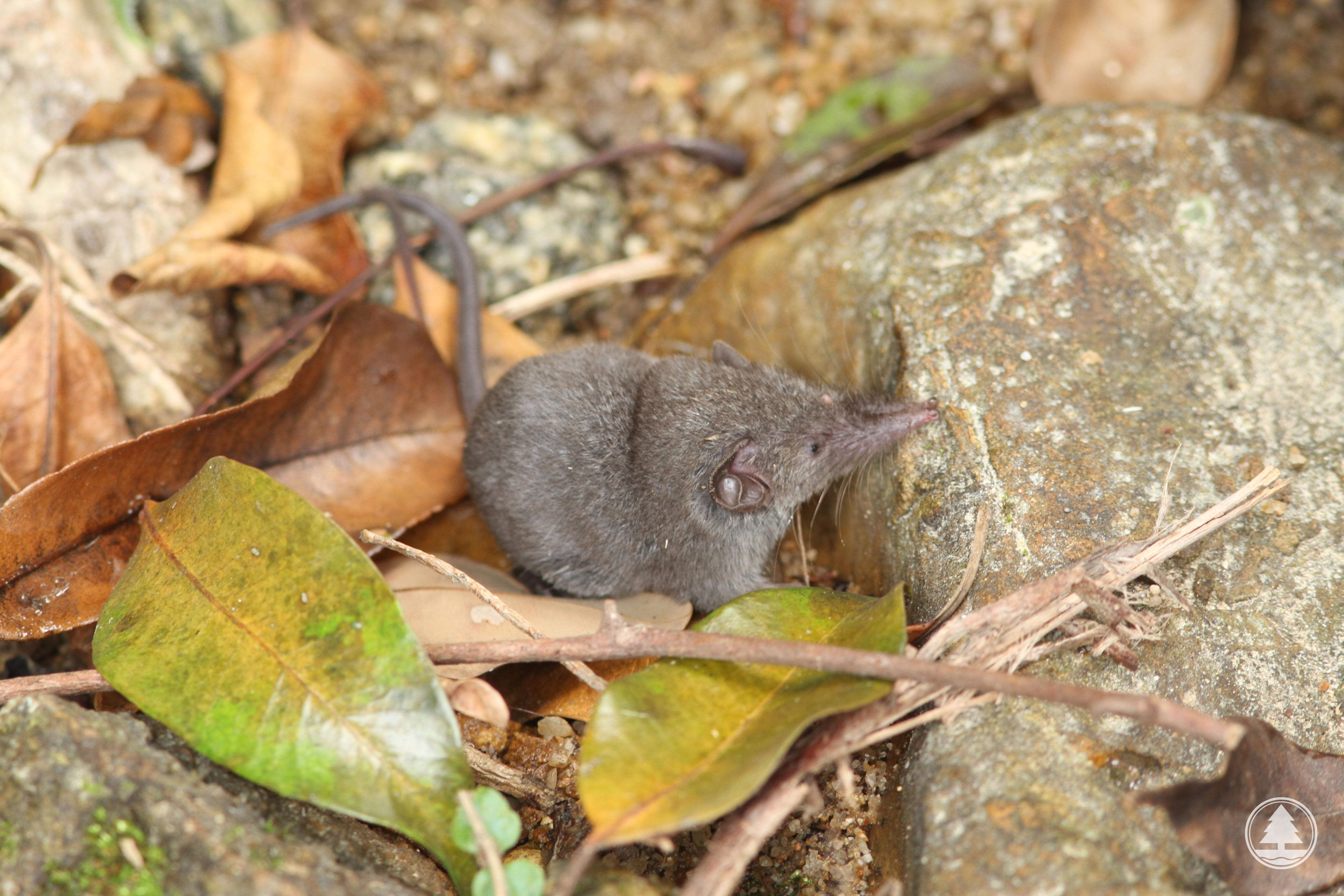
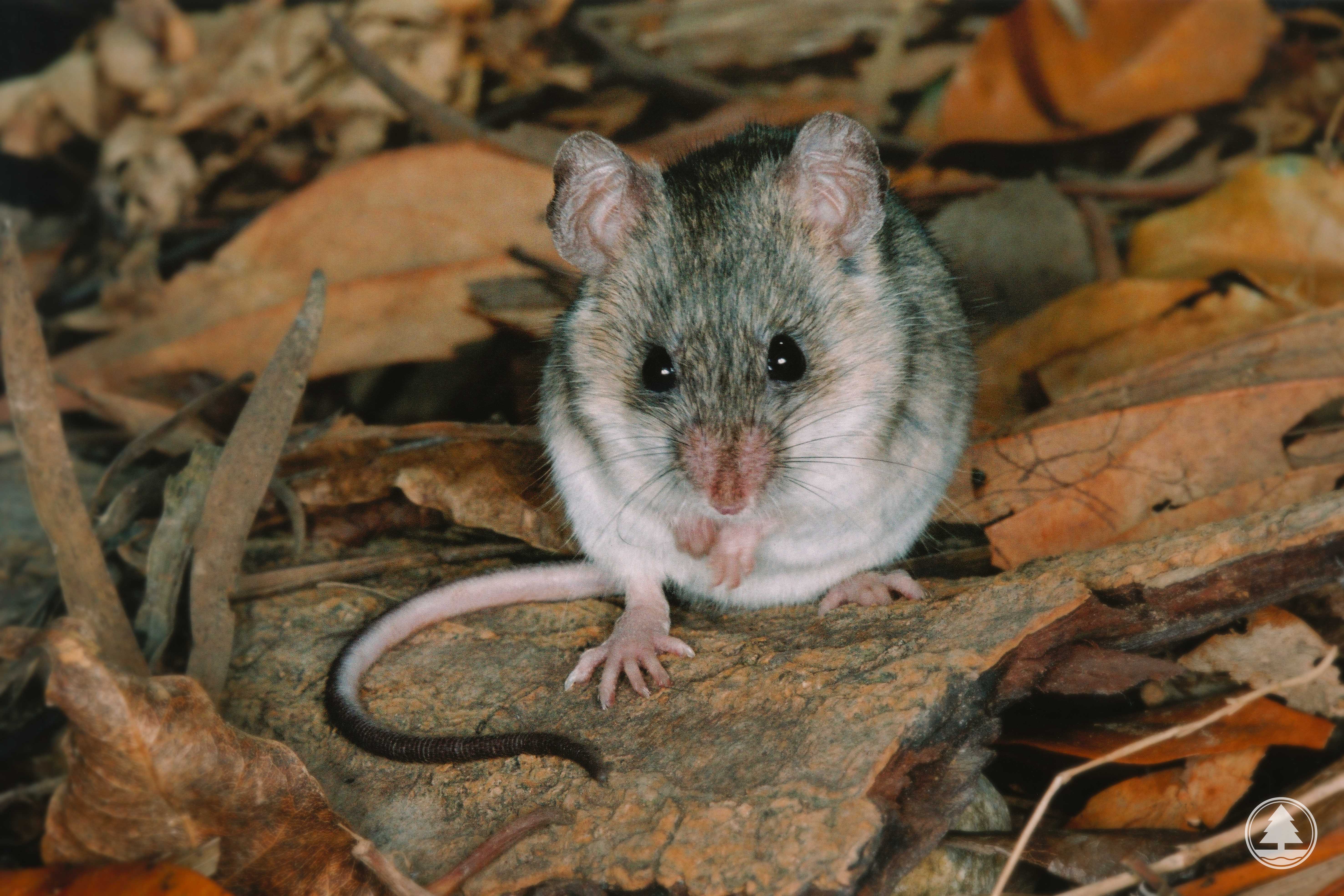
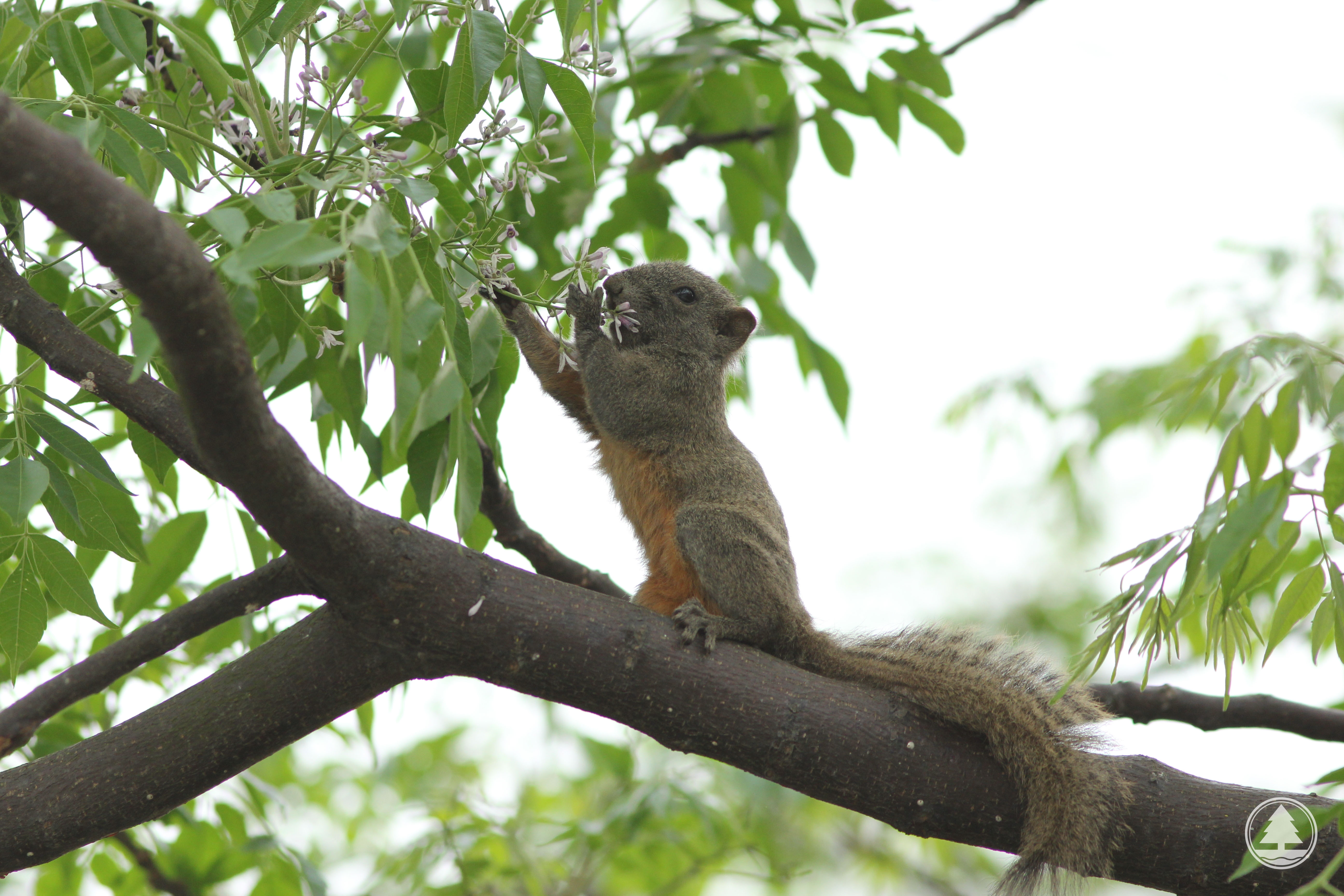
The small land mammals in Hong Kong consist of 2 Insectivora and 9 Rodentia (8 rats and 1 squirrel). Of the Insectivora, Musk Shrew is more common than Grey Shrew. Both species are mostly recorded in rural areas. Three rodent species are human commensals and are restricted to urban areas, including Roof Rat, House Mouse and Brown Rat. However, Chestnut Spiny Rat and Indo-Chinese Forest Rat are common hillside rats which seldom enter into urban areas. Greater Bandicoot Rat, Lesser Rice-field Rat and Ryuku Mouse are primarily associated with agricultural areas, and have restricted distribution in Hong Kong. Pallas's Squirrel is an introduced species, presumably from a released or escaped pet.
Grey Shrew
Ryuku Mouse
Pallas's Squirrel
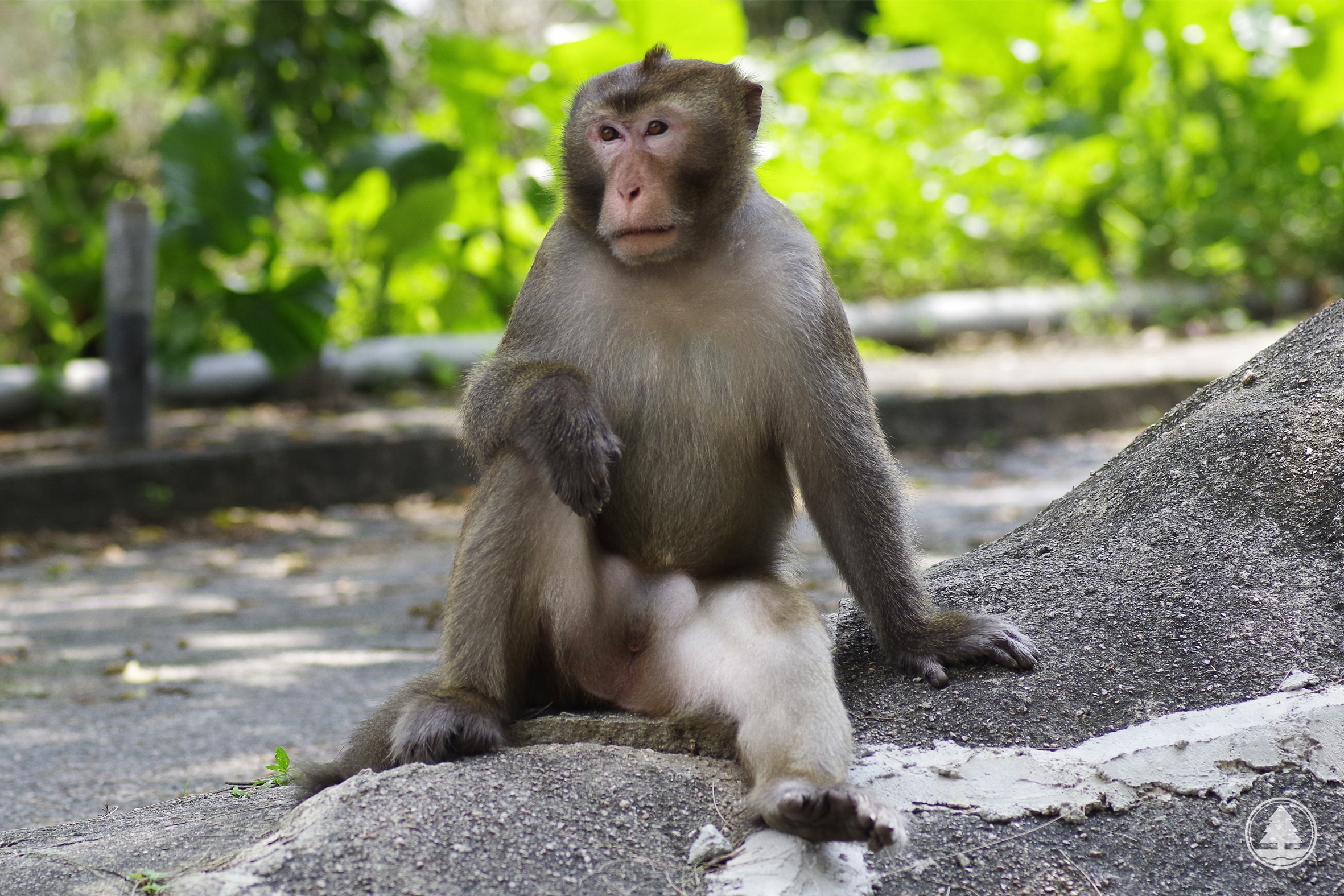
The remaining 19 species of large mammals consist of 2 large Rodentia, 2 primates, 10 Carnivora, 4 Artiodactyla and 1 Pholidota (pangolin). Among these 19 species, Domestic Cat, Domestic Dog, Domestic Ox, Domestic Water Buffalo and Long-tailed Macaque are introduced species in Hong Kong. The dominant macaque species is Rhesus Macaque. The estimated total population of Rhesus Macaque is about 2,000 which are mainly distributed in Kam Shan Country Park, Lion Rock Country Park, Shing Mun Country Park and Tai Po Kau Special Area. Although Hong Kong falls within the range of natural distribution of Rhesus Macaque, it is thought that the original wild stock had disappeared and the existing populations are descendants of individuals re-introduced in the early twentieth century. Furthermore, Small Asian Mongoose and Yellow-bellied Weasel, which had not been recorded in Hong Kong until 2001, are suspected to have colonised Hong Kong by expanding from nearby areas of their natural range or by accidental or deliberate release of individuals. Hong Kong is close to their known natural ranges, and it is therefore also possible that they existed in Hong Kong in the past and have now re-colonised Hong Kong after the reforestation of our Country Parks.
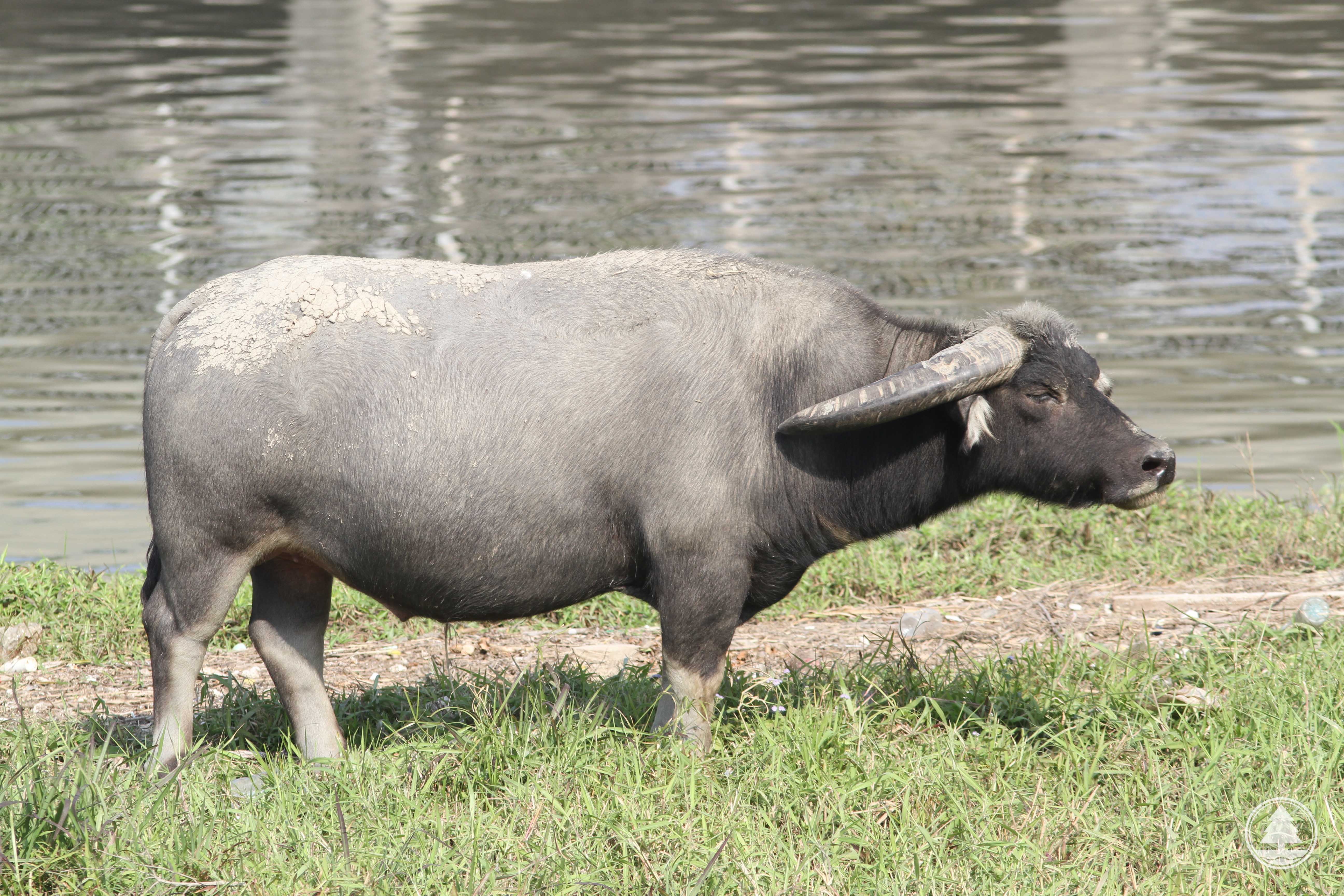
Domestic Water Buffalo
Among the native medium and large mammals, East Asian Porcupine, Eurasian Wild Pig and Red Muntjac are the most abundant and widely distributed species in Hong Kong. They were recorded by over 60% of camera traps in our camera trap survey from 2008 to 2018. Small Indian Civet and Leopard Cat, are also relatively abundant and widespread. On the other hand, Small-toothed Ferret Badger and Masked Palm Civet are less abundant but widely distributed.
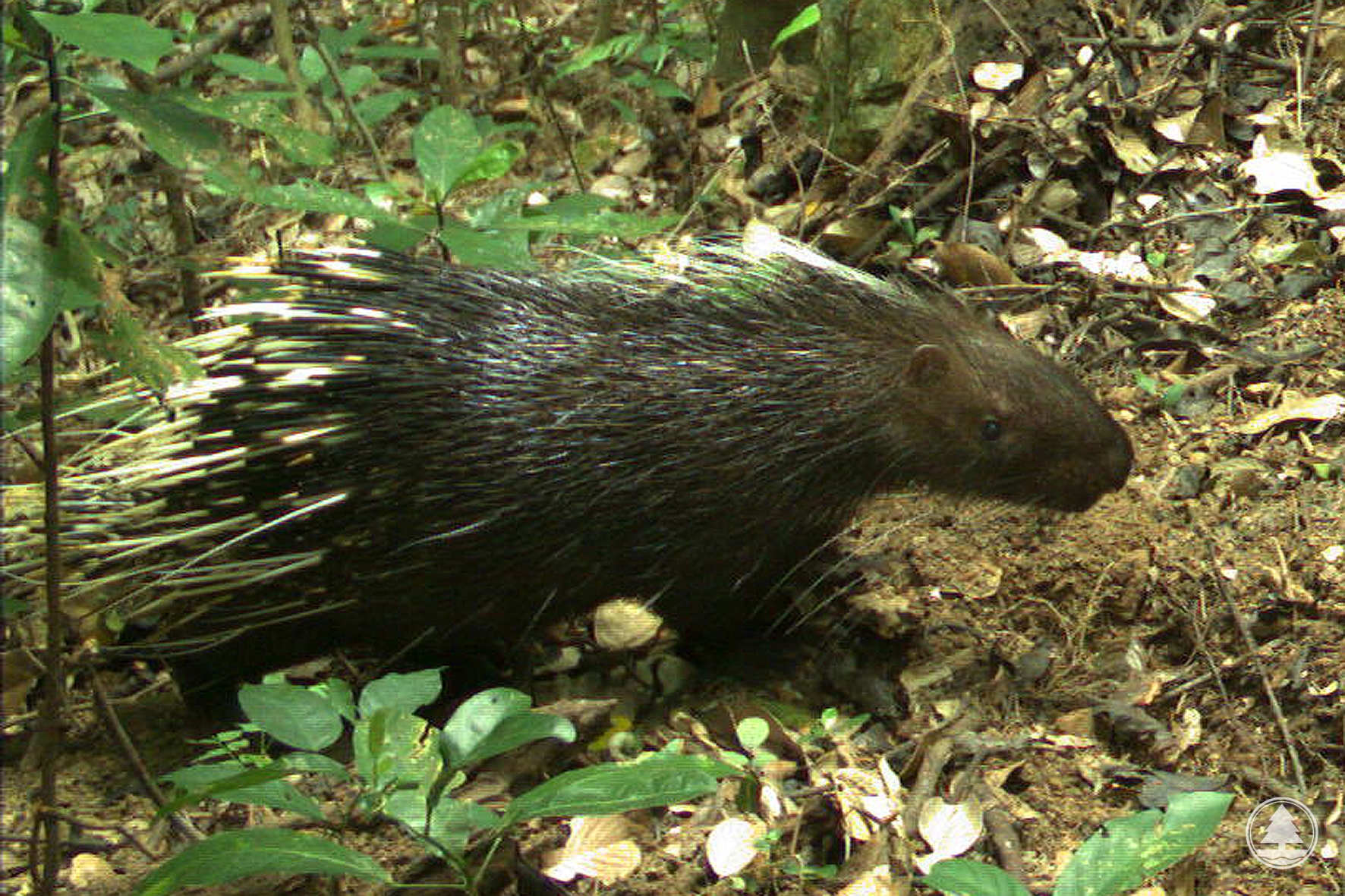
East Asian Porcupine
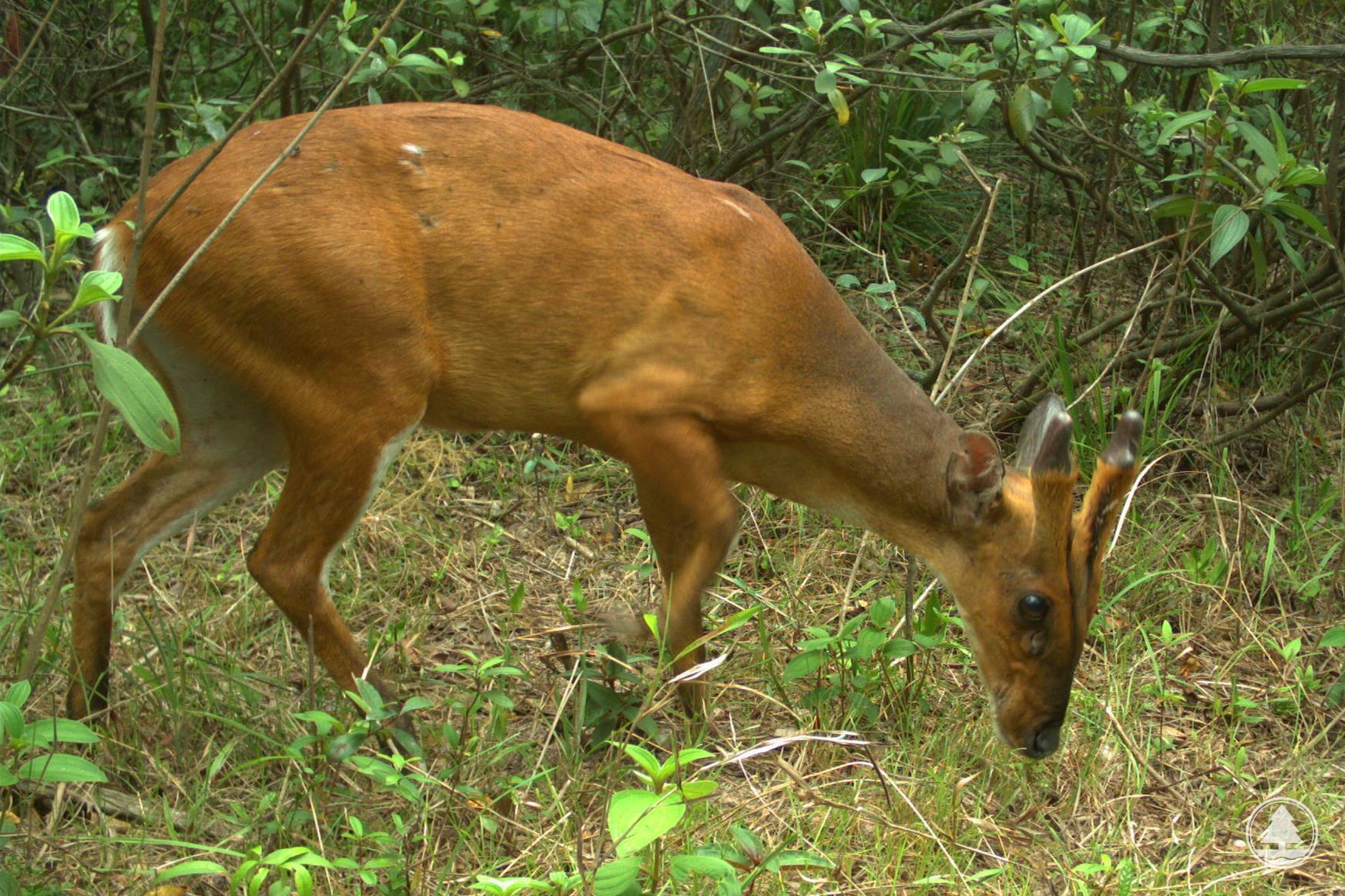
Red Muntjac
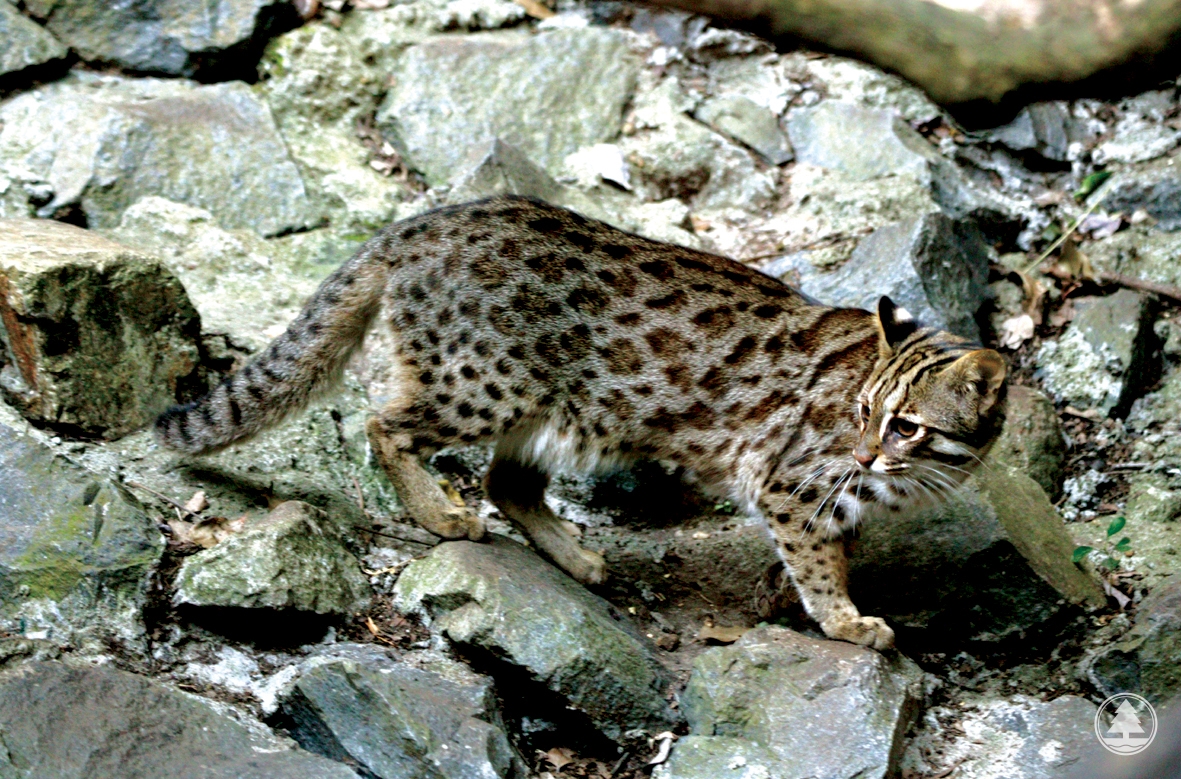
Leopard Cat
Crab-eating Mongoose was thought to be extirpated in Hong Kong during the 1960s. However, small populations were found in the northeast parts of the New Territories in 2001 and adults carrying cubs have also been observed. Chinese Pangolin may be the most spectacular and threatened species in Hong Kong with only scattered records within the territory. Prized as a market animal and used as traditional Chinese medicine, Chinese Pangolin is hunted illegally for its meat and scales. Eurasian Otter is also a rare species with highly restricted distribution. Being semi-aquatic, it requires a clean aquatic system with abundant food supply and is only recorded around the Mai Po Inner Deep Bay Ramsar Site.
Key species of Conservation Concern
According to AFCD baseline surveys, eight mammalian species are ranked as species of conservation concern in Hong Kong due to their rarity and/or restricted distribution. These include five species of bats - Horsfield's Myotis, Whiskered Myotis, Greater Bamboo Bat, Chinese Pipistrelle and the Unidentified Pipistrelle, and three species of large mammals – Crab-eating Mongoose, Chinese Pangolin and Eurasian Otter.
Horsfield's Myotis(Myotis horsfieldii)
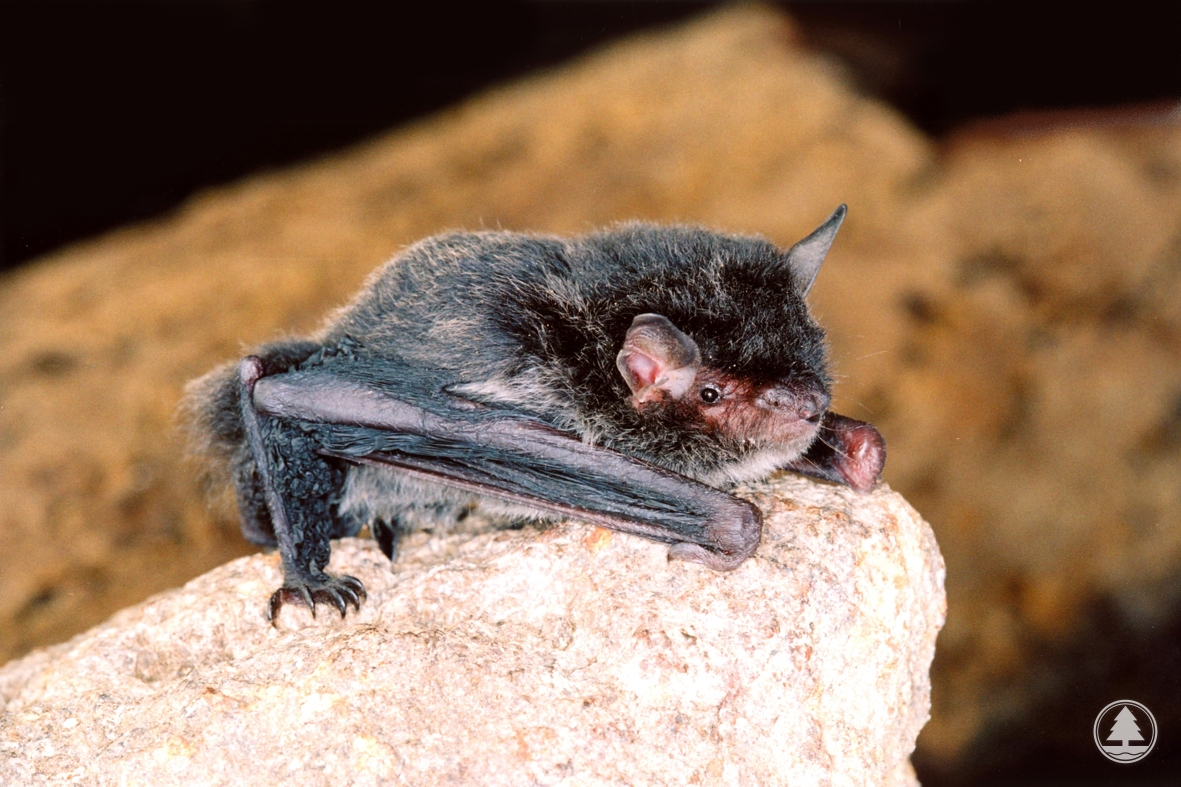
Horsfield's Myotis is a small-sized mouse-eared bat with forearm length shorter than 38mm. Its pelage is dark brown to nearly black above and pale grayish brown below. The eyes and lips have pink bare skin. Canines are well developed. This species favours wooded areas with a supply of freshwater and spends the day secretly in rock crevices or weepholes alone. It has been recorded at water tunnels in Shek Kong, Tung Tze and Nam Chung.
Horsfield's Myotis
Whiskered Myotis(Myotis muricola)
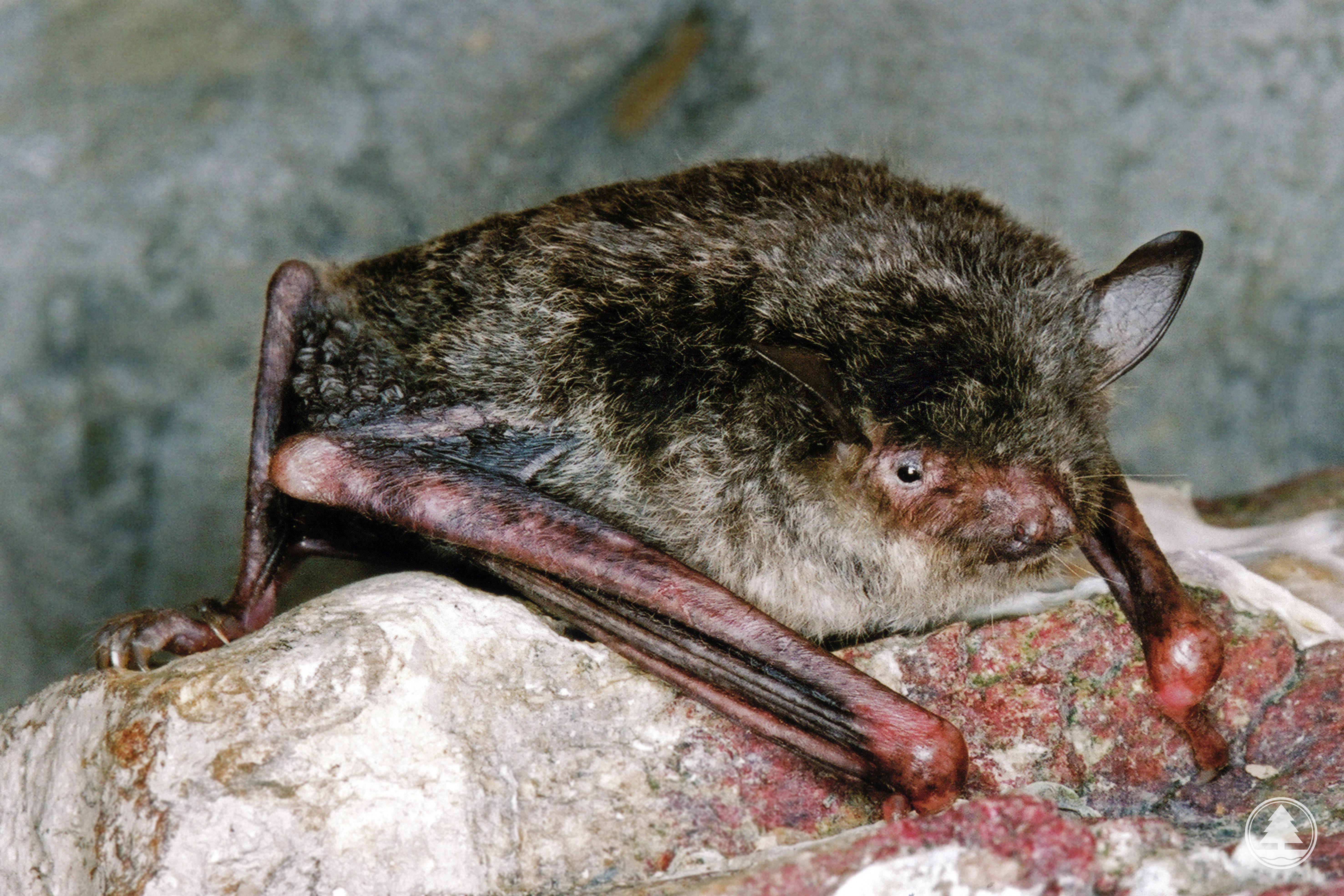
Whiskered Myotis is a small-sized mouse-eared bat with forearm length ranged from 35 to 38 mm. Its pelage is blackish brown above and paler below. Compared to other local myotis species, it has relatively small hindfeet which are less than half the length of its tibia. In other countries, this species was found to roost inside the curled leaves of banana trees. It has been recorded in Nam Chung, Ho Pui, Tai Lam and Ma On Shan.
Whiskered Myotis
Greater Bamboo Bat(Tylonycteris tonkinensis)
Greater Bamboo Bat is a tiny bat with forearm length ranged from 25 to 29 mm. Pelage is dark brown above and slightly paler below. The small body size, flat skull and the presence of cushion-like pads on its thumbs and feet are features for adapting to roosting in thick bamboo stems. It has only been recorded around Plover Cove Country Park.
Greater Bamboo Bat
Chinese Pipistrelle(Hypsugo pulveratus)
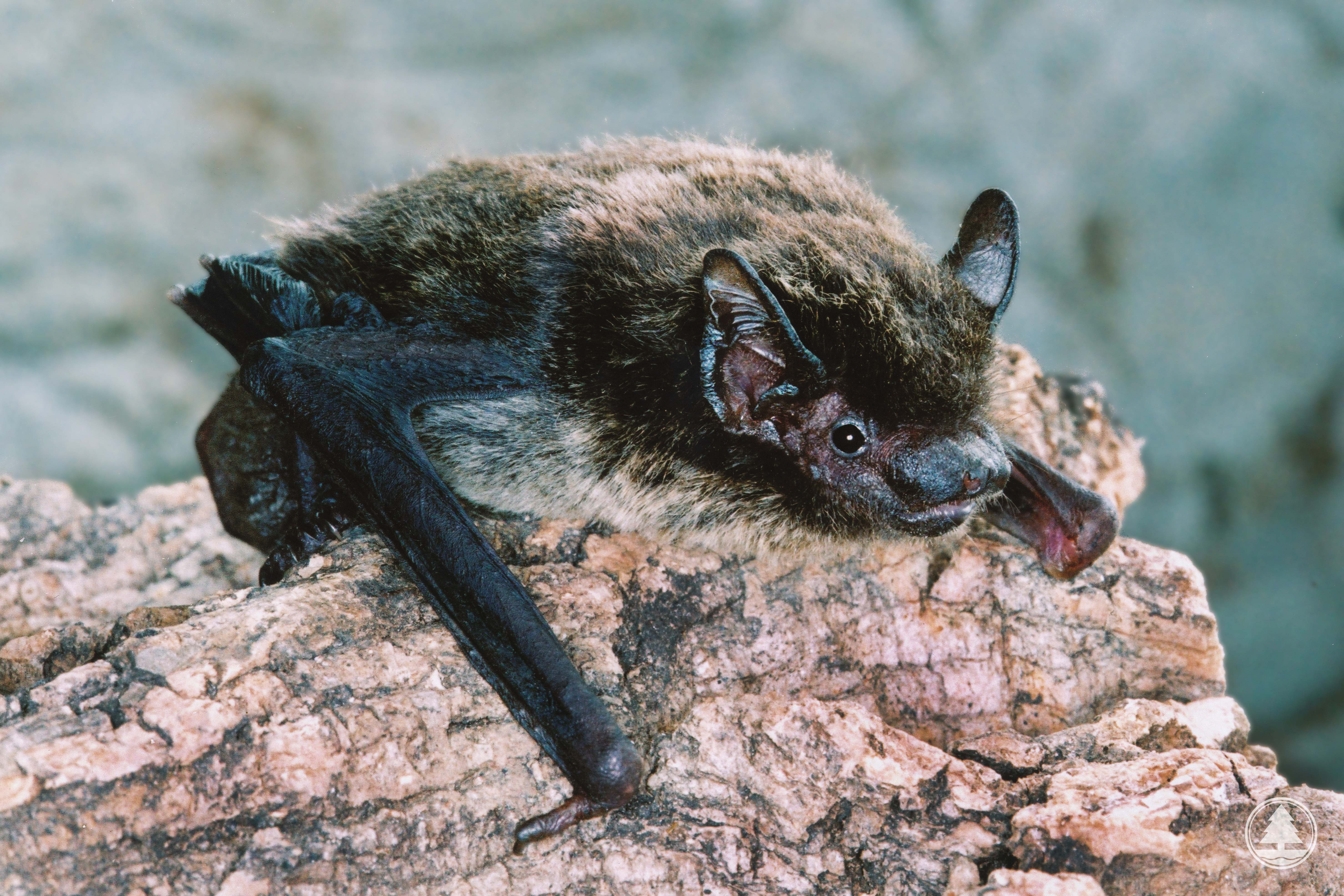
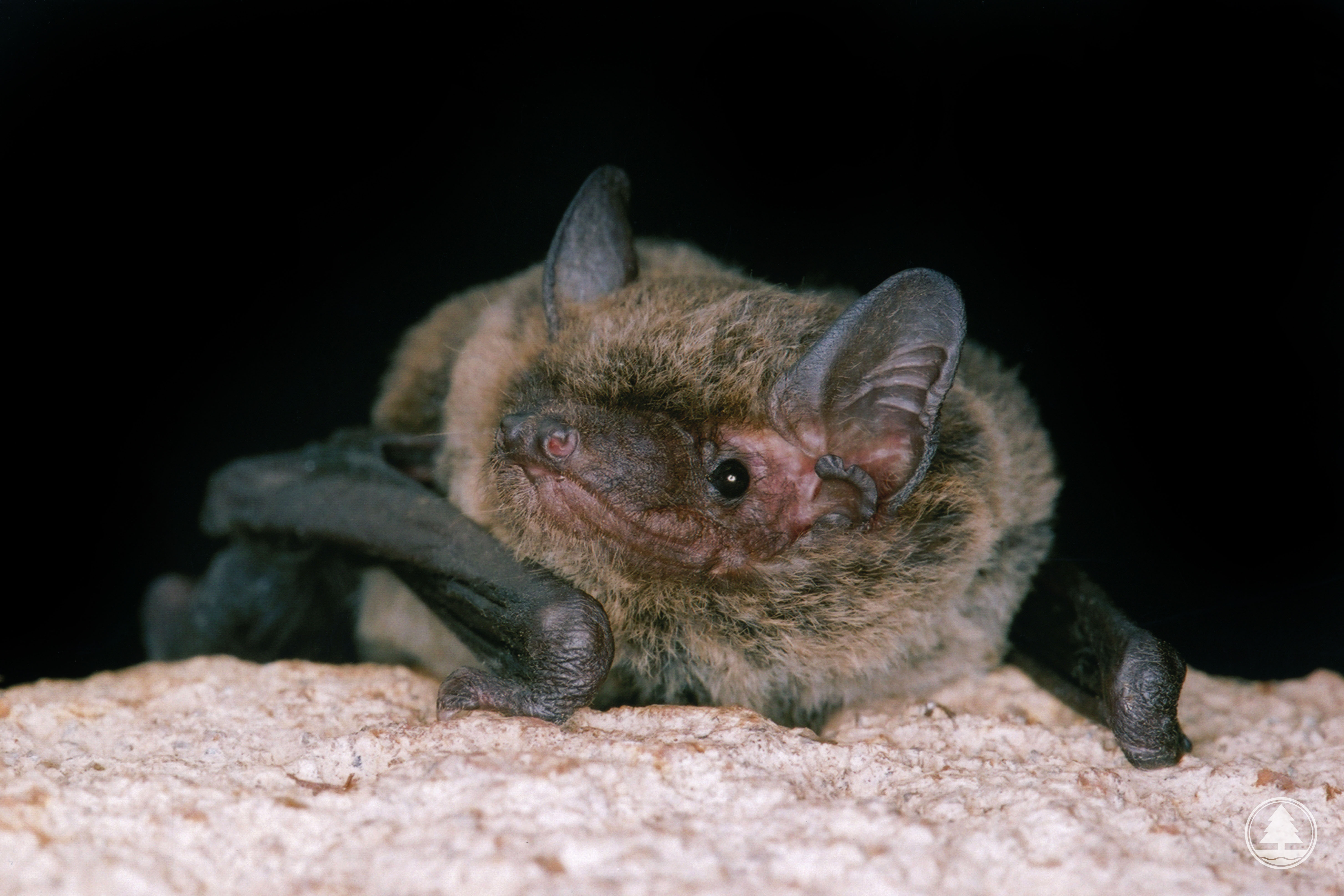
Chinese Pipistrelle is a medium-sized pipistrelle with forearm length ranged from 34 to 36 mm. Pelage is blackish brown above and paler below. Wing membrane, ears and muzzle are dark brown. Compared to Japanese Pipistrelle (Pipistrellus abramus), which is very common in Hong Kong, this species has relatively large eyes and elongated ears, and shorter penis (< 3 mm) for males. It has been recorded in Ma On Shan and Ting Kau.
Chinese Pipistrelle
Unidentified Pipistrelle (Pipistrellus sp.1)
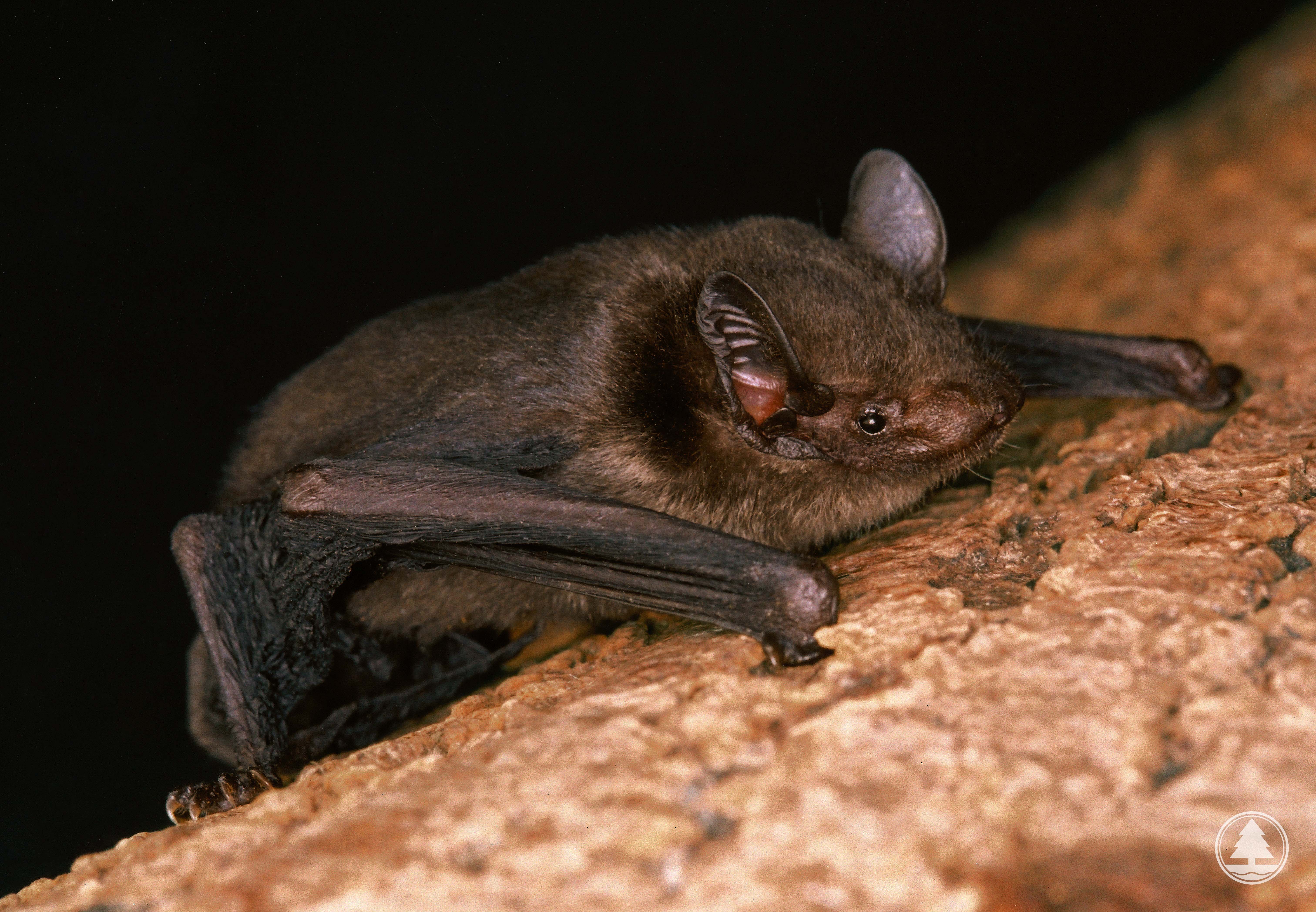
This species was first discovered in Hong Kong in 2005. This is a large pipistrelle with forearm length exceeding 37 mm. Pelage is brown above with golden collar and paler below. It has only been recorded around Plover Cove Country Park and the nearby area.
Unidentified Pipistrelle
Crab-eating Mongoose(Urva urva)
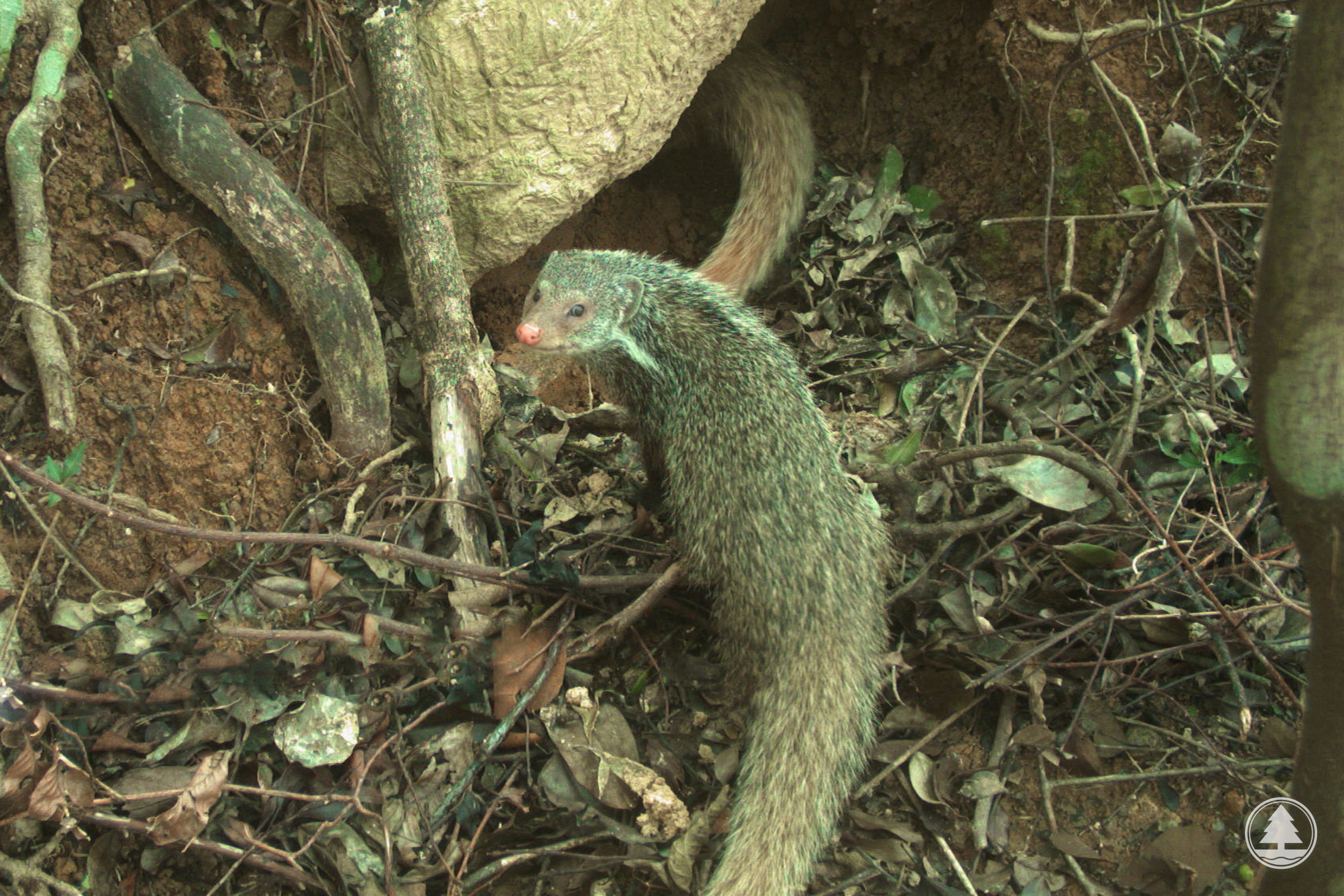
Crab-eating Mongoose is a relatively large mongoose with head-to-body length ranged from 36 to 60 cm. It has a pointed head and a long and tapering bushy tail. It can be distinguished from Javan Mongoose (Urva javanica) by its tall stance, shaggy brown to grey-brown fur and a long white strip on the shoulder. This diurnal species is rare and has a restricted distribution to the northern part of Hong Kong. It has recently been recorded in Lin Ma Hang, Sha Tau Kok, Pat Sin Leng, Ma On Shan and Plover Cove Country Parks.
Crab-eating Mongoose
Eurasian Otter (Lutra lutra)
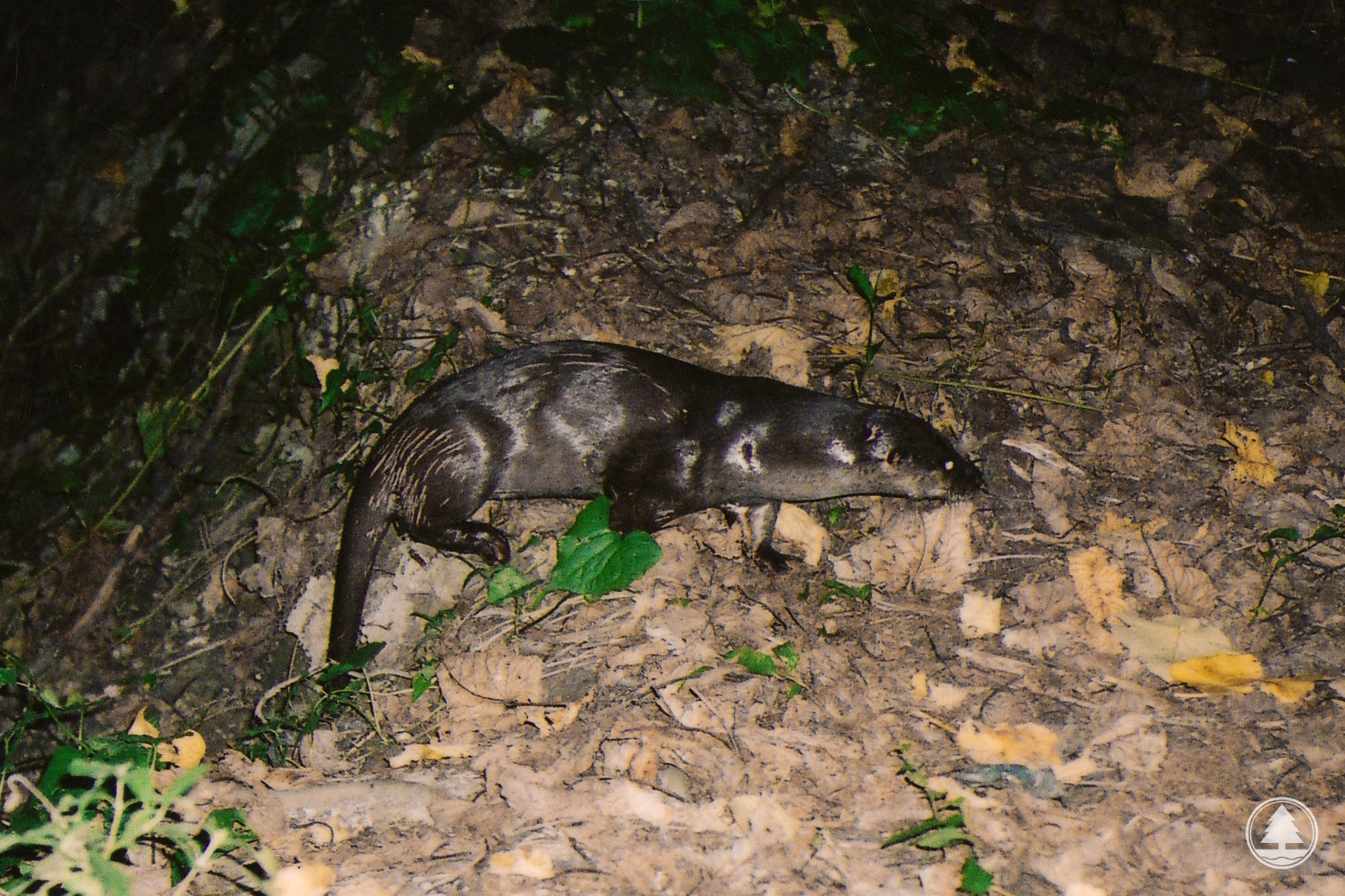
Eurasian Otter is a smart and playful semi-aquatic mammal. It is characterised by an elongated body and broad flattened head with naked nose pad. It also has low, rounded ears, thick neck and a long and muscular tail. The limbs are short with webbed toes for swimming. The long whiskers are used for detecting prey under water. This species predominantly occurs around the Mai Po Inner Deep Bay Ramsar Site.
Eurasian Otter
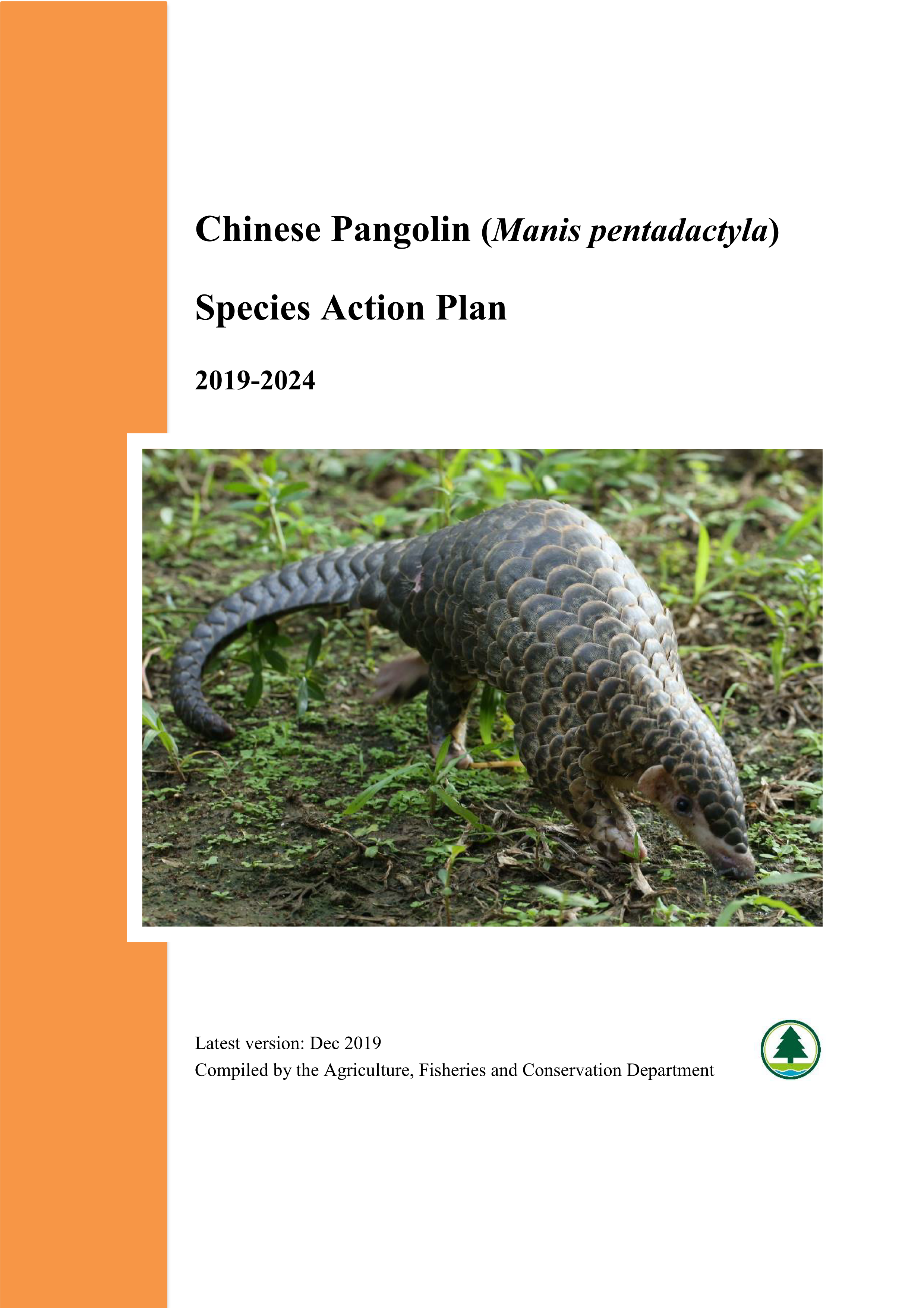
Chinese Pangolin(Manis pentadactyla)
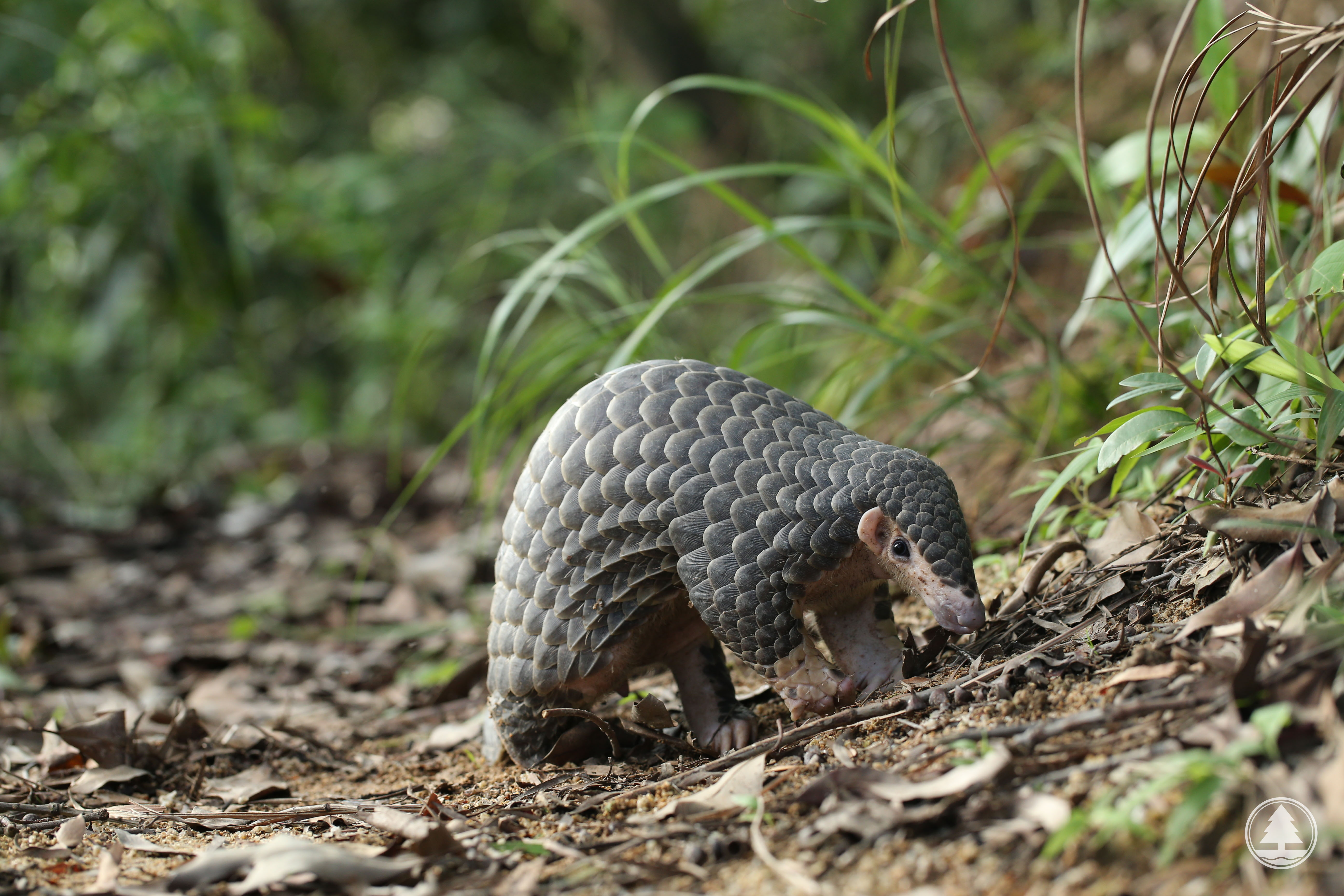
Chinese Pangolin is an ant- and termite-eating specialist. It has a small pointed head and a long and thick tail. Limbs are stout with large, sharp and recurved claws. It is characterised by overlapping grayish brown scales which cover the entire body, except the belly and the inner sides of limbs. This makes it look like it is wearing an armor. The scales are made of agglutinated hair for defence against predators. When threatened, the Chinese Pangolin curls up into a ball and raises its scales.
Chinese Pangolin
Chinese Pangolin Species Action Plan 2019-2024
Due to the drastic decline in the global population, the Chinese Pangolin is currently listed by IUCN as critically endangered. To better protect this precious species, AFCD and experts have formulated a species action plan (SAP) to provide a framework of actions to better conserve Chinese Pangolins in Hong Kong, as well as to contribute to the regional protection of the species. Actions laid out in this SAP will be carried out, in a period of 5 years from 2019 to 2024, through collaborations with the government's conservation authority, non-government organisations, academic institutions and individual experts.
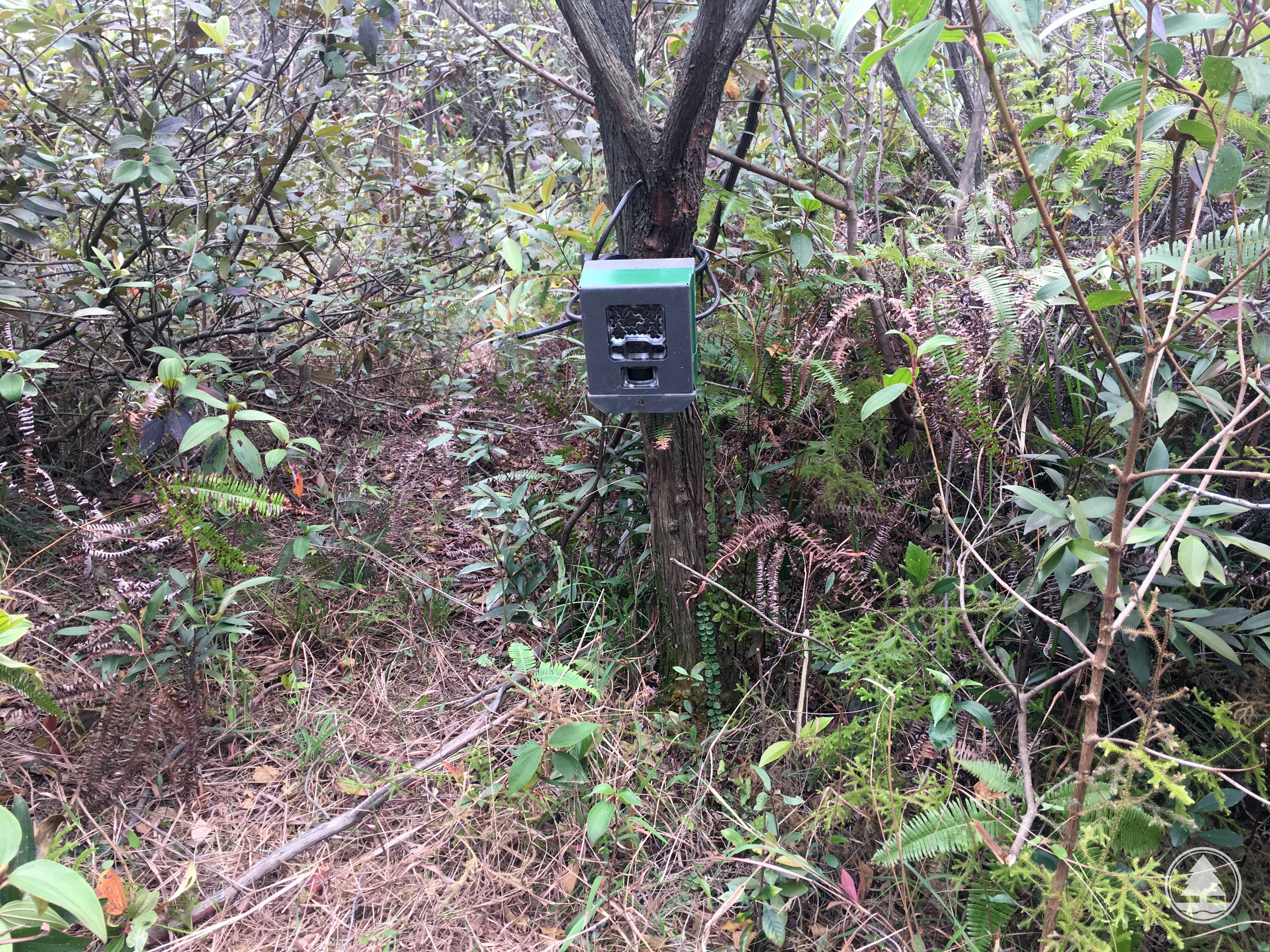
Effective wildlife conservation relies on gathering information to identify changes over time in the populations of concern. However, much of our data of Hong Kong mammals have been collected using different survey methodologies and the historical data are insufficient to serve as a baseline against which population changes over time can be assessed. In view of this, AFCD launched a long term monitoring program of Hong Kong mammals in 2002. The objectives are to estimate the number of species, species abundance and spatial distributions of mammalian species throughout Hong Kong, and to provide baseline information to identify changes in populations of species of conservation concern.
Camera Trap Survey
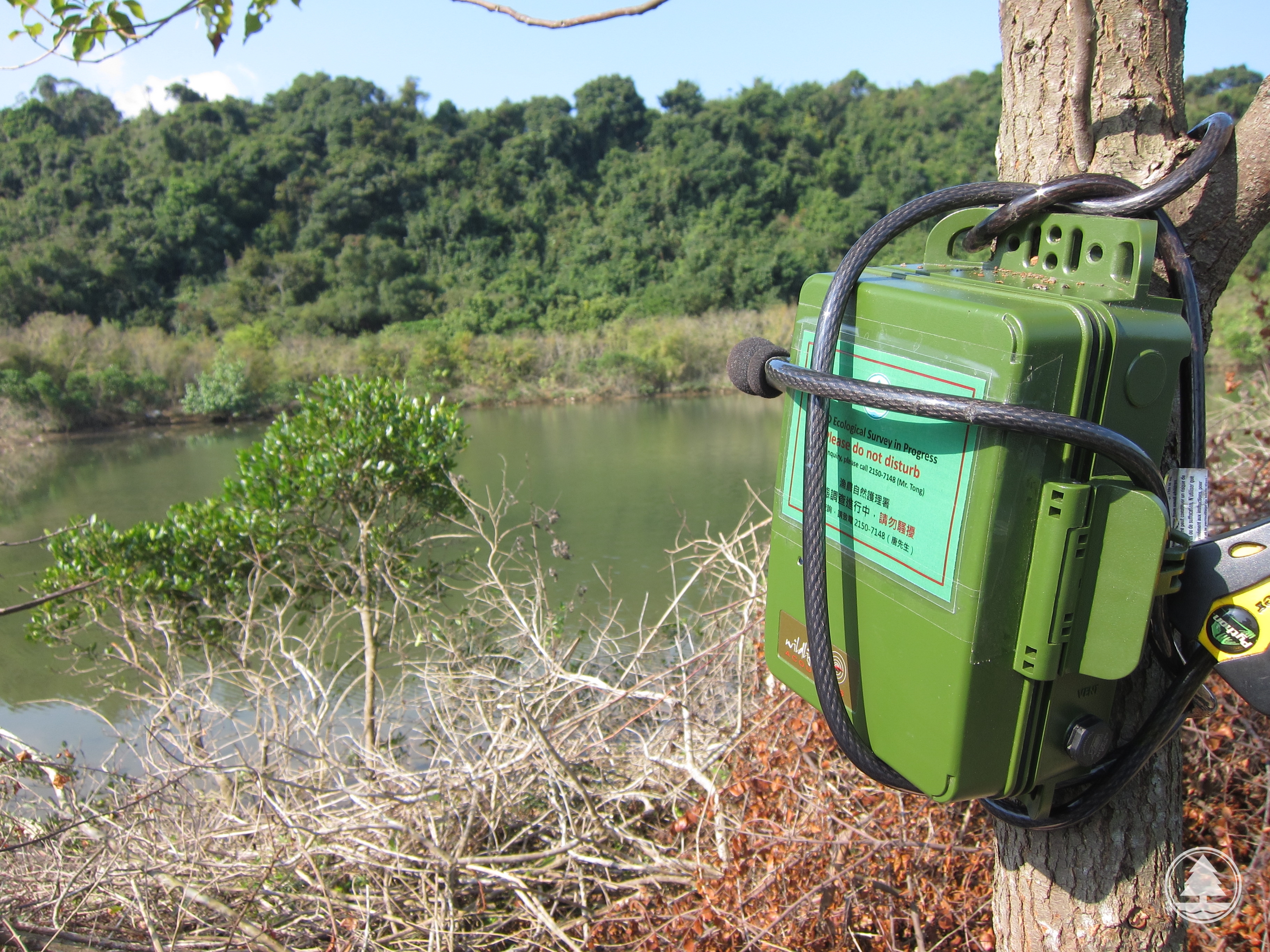
Bat Acoustic Survey
Mammals recorded by camera trap
Barking Deer
Leopard Cat
Crab-eating Mongoose
Small Indian Civet
Chinese Pangolin
East Asian Porcupine
Ordinances for Nature Conservation
Wild Animals Protection Ordinance (Cap. 170) is enforced to protect local wild animals, including most of the native terrestrial mammals. No person shall, except in accordance with a special permit, hunt or willfully disturb, buy, sell, export or offer for sale or export, have in his possession or under his control any protected wild animals. In 1999, the Lion Rock, Kam Shan, Shing Mun and part of Tai Mo Shan Country Parks and Tai Po Kau Special Area and some of the nearby areas were designated as places where feeding of any wild animals including wild monkeys is prohibited. Moreover, the Protection of Endangered Species of Animals and Plants Ordinance (Cap. 586) is the Ordinance which gives effect to the Convention on International Trade in Endangered Species of Wild Fauna and Flora (CITES). The import, introduction from the sea, export, re-export and possession or control in endangered species of animals and plants, including their parts and derivatives, are subject to control in line with CITES under the Ordinance. Endangered local species include Chinese Pangolin, Rhesus Macaque and Eurasian Otter.
Other Educational Programmes
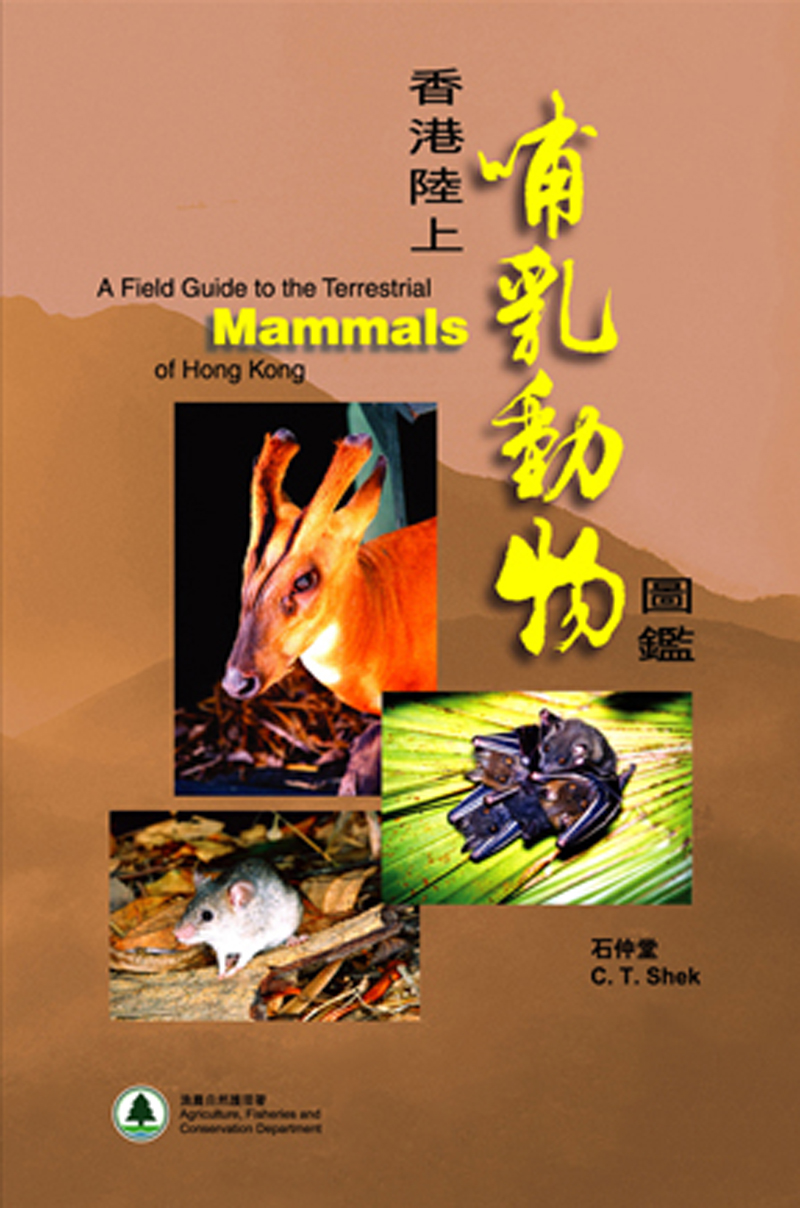
To improve public's knowledge on the diversity and conservation of the mammals of Hong Kong, publicity and education programmes have been carried out. These include organizing seminars, launching websites, publishing newsletters and field guide on the terrestrial mammals of Hong Kong.
Field Guide
Key sites for Observing Terrestrial Mammals
Observing terrestrial mammals is very challenging as most mammals are nocturnal, extremely secretive and avoid humans. They are seldom seen by casual observers and are likely to be overlooked.
Seeing diurnal mammals such as Pallas's Squirrel or Rhesus Macaque is easier as one only has to visit their habitat with a pair of binoculars (and some patience!). Observing nocturnal species, however, is much more difficult. Based on the result of our camera trap survey, the chance of encountering a nocturnal mammal in the Hong Kong countryside is slim.
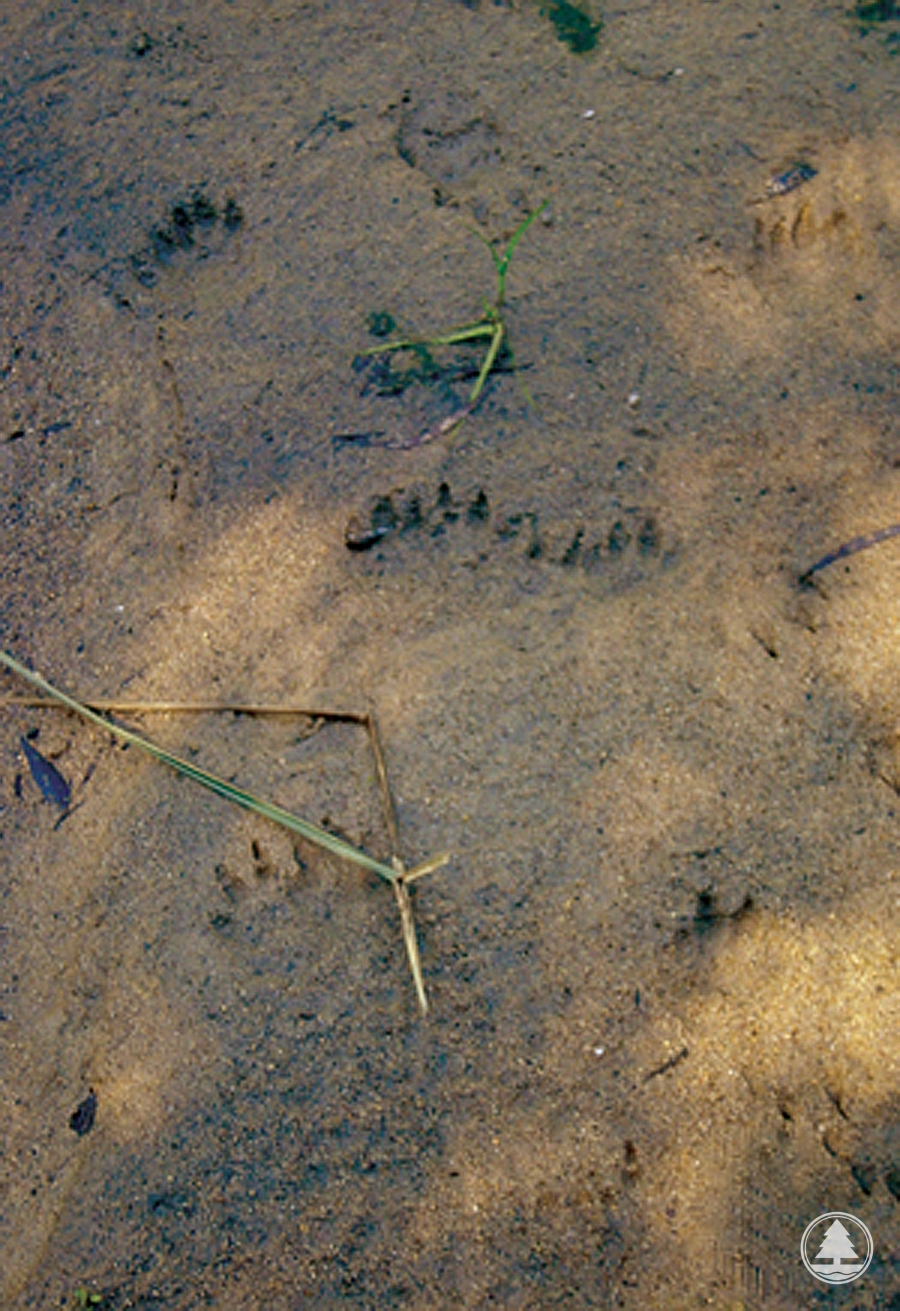
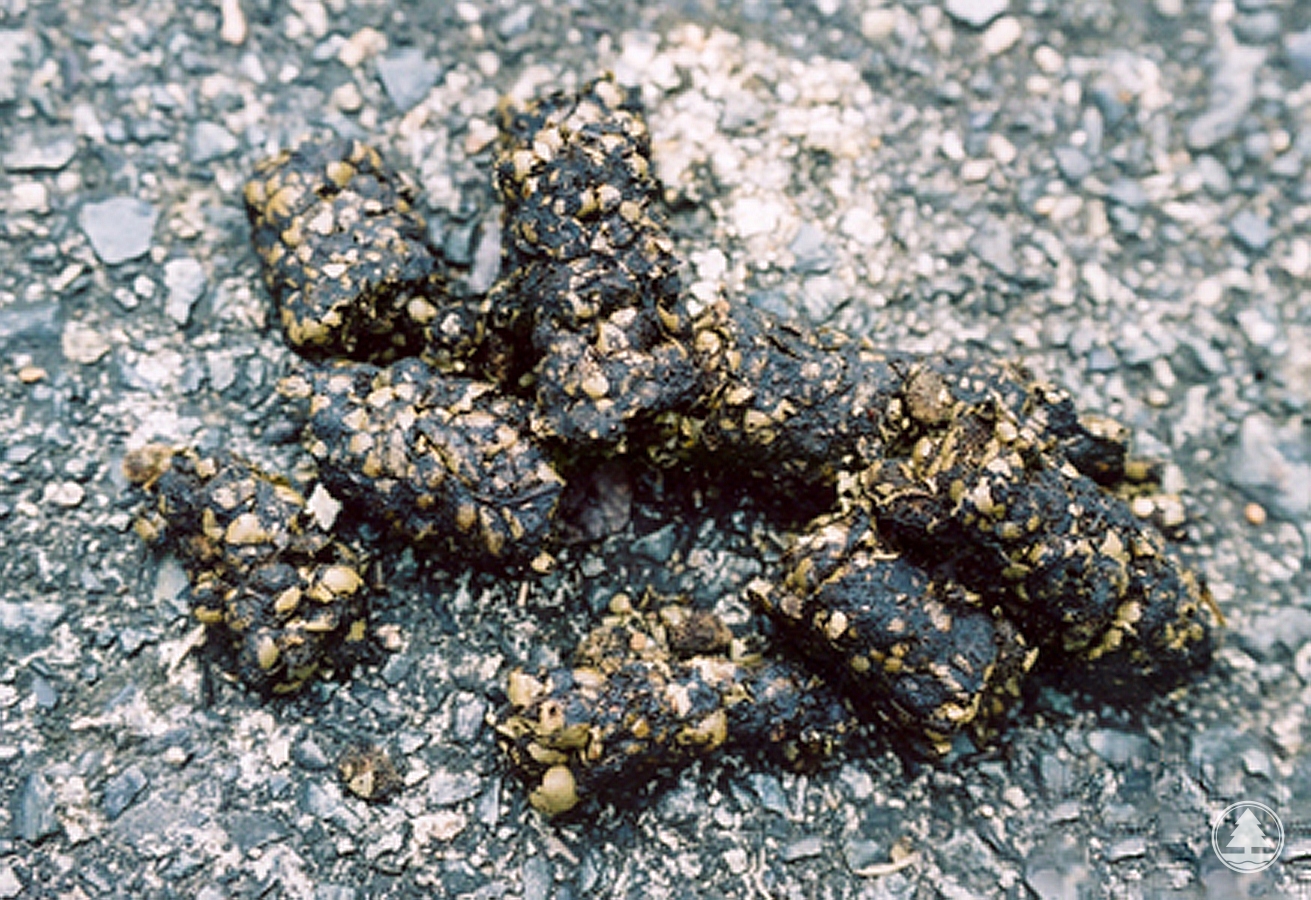
Relatively speaking, it is easier to find mammals by searching their footprints and other signs, so it is possible to know what species are present without actually seeing them. To know which mammals are present in a countryside area, the first step is to find the “animal paths”. Animal Paths are narrow paths winding across the fields and into woods or tunnels in grass and undergrowth. These paths indicate the daily routes of most mammals and it is easier to find other clues near them. The next step is to search for signs such as footprints, droppings, food debris and other animal residue, which can help to identify the mammals, around the animal paths. Footprints are mostly found on soft surfaces and it is easier to find complete footprints in soft mud or sand next to streams. The scats of some species can easily be identified, such as the scats of East Asian Porcupine, Red Muntjac or Domestic Ox. If you are lucky, you may also find body parts of the mammals, such as the rattle quills of East Asian Porcupines or the hairs of Eurasian Wild Pigs. More experienced observers may be able to locate the species by the sounds they produce, such as the hoarse bark, “erk erk erk”, which Red Muntjacs make when alarmed.
Footprints of Masked Palm Civet
Dropping of Masked Palm Civet
Macaques in Hong Kong
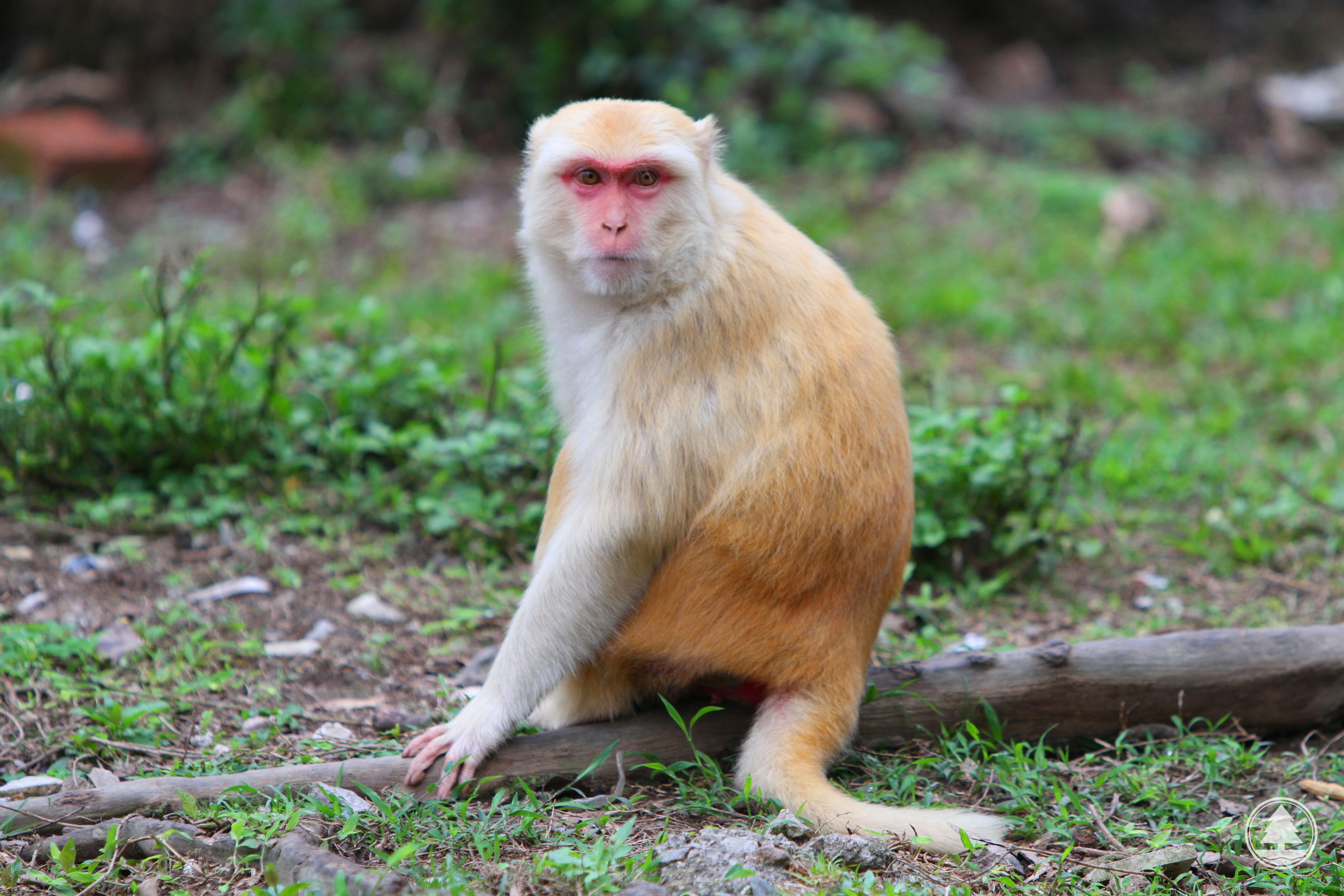
You may have encountered some monkeys or macaques in Kam Shan or Shing Mun Country Parks in the past, but you may not have noticed that there are different "types" of monkey occurring there. The most common species there is Rhesus Macaque which is mainly distributed in Kam Shan Country Parks, Shing Mun Country Parks and Tai Po Kau Nature Reserve. Some hybrid individuals of Rhesus Macaque and Longtailed Macaque, showing intermediate characteristics of both species, would also be found in the above areas. The best place to observe these two types of macaques is along the Education Trail in Kam Shan Country Park. In addition to Rhesus Macaque and the hybrids, you may encounter some golden macaques which are the special pelage form of Rhesus Macaque.
“Golden” Macaque
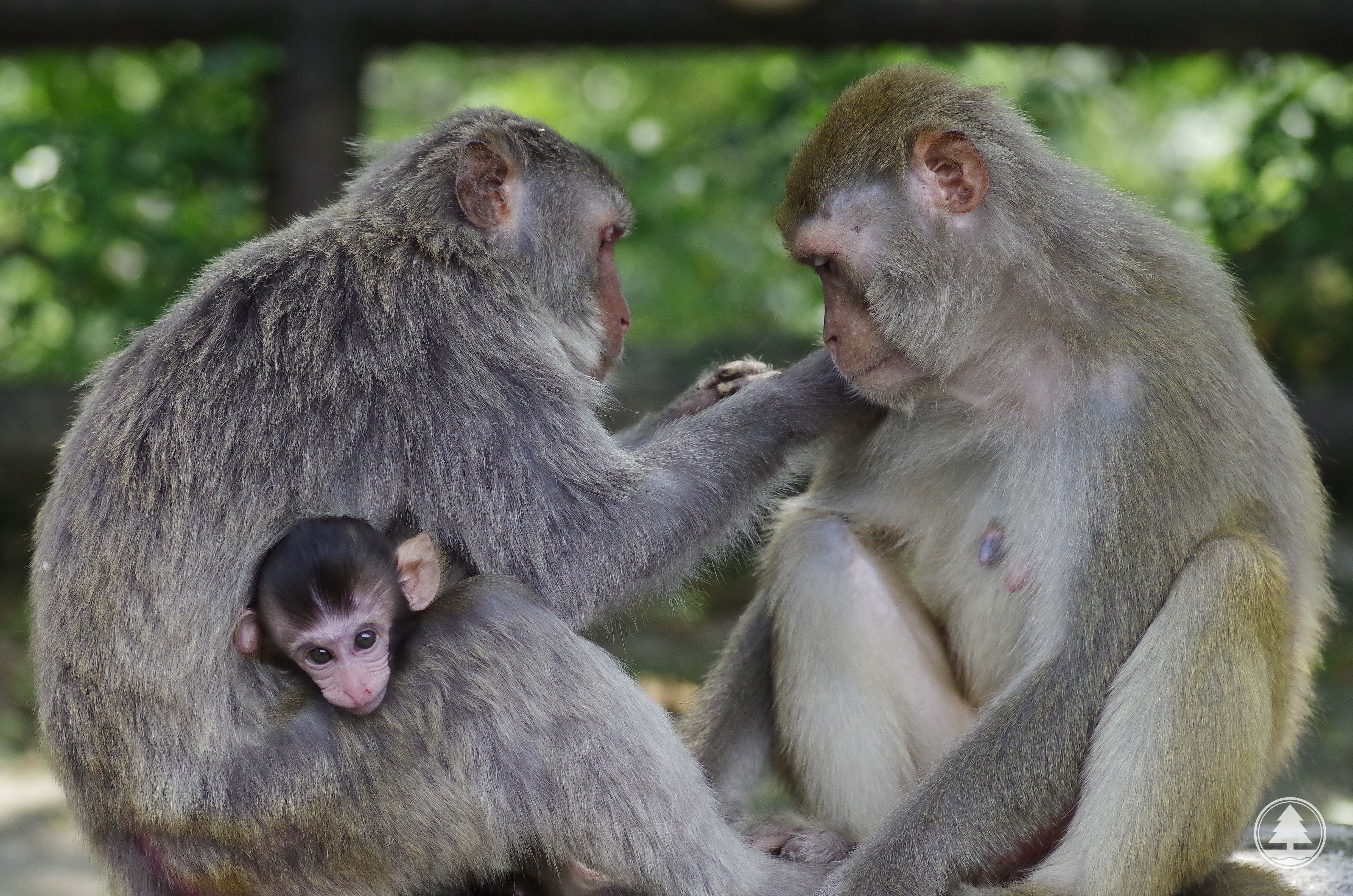
Most macaques have a multimale-multifemale social system and usually live in groups of 20 to 200 individuals. In each group, dominance hierarchies exist. The dominant leader in the group is usually stockier in size and always has the priority to eat and mate with other females. As many macaques are used to be fed by human and most feeders use plastic bags to carry the feed, some hungry macaques may rob plastic bags, whether it contains any food or not. It is therefore suggested not to carry plastic bags when observing macaques. Please remember that the ban on feeding monkeys (and other wild animals) under the Ordinance has been in force since 1999 and is applicable to Lion Rock, Kam Shan and Shing Mun Country Parks, part of Tai Mo Shan Country Park, Tai Po Kau Nature Reserve and some of the adjacent areas where wild monkeys can be found. So please remember not to feed the monkeys when you encounter them!
Rhesus Macaque
Hybrid of Rhesus Macaque and Longtailed Macaque
Short-nosed Fruit Bats in Parks
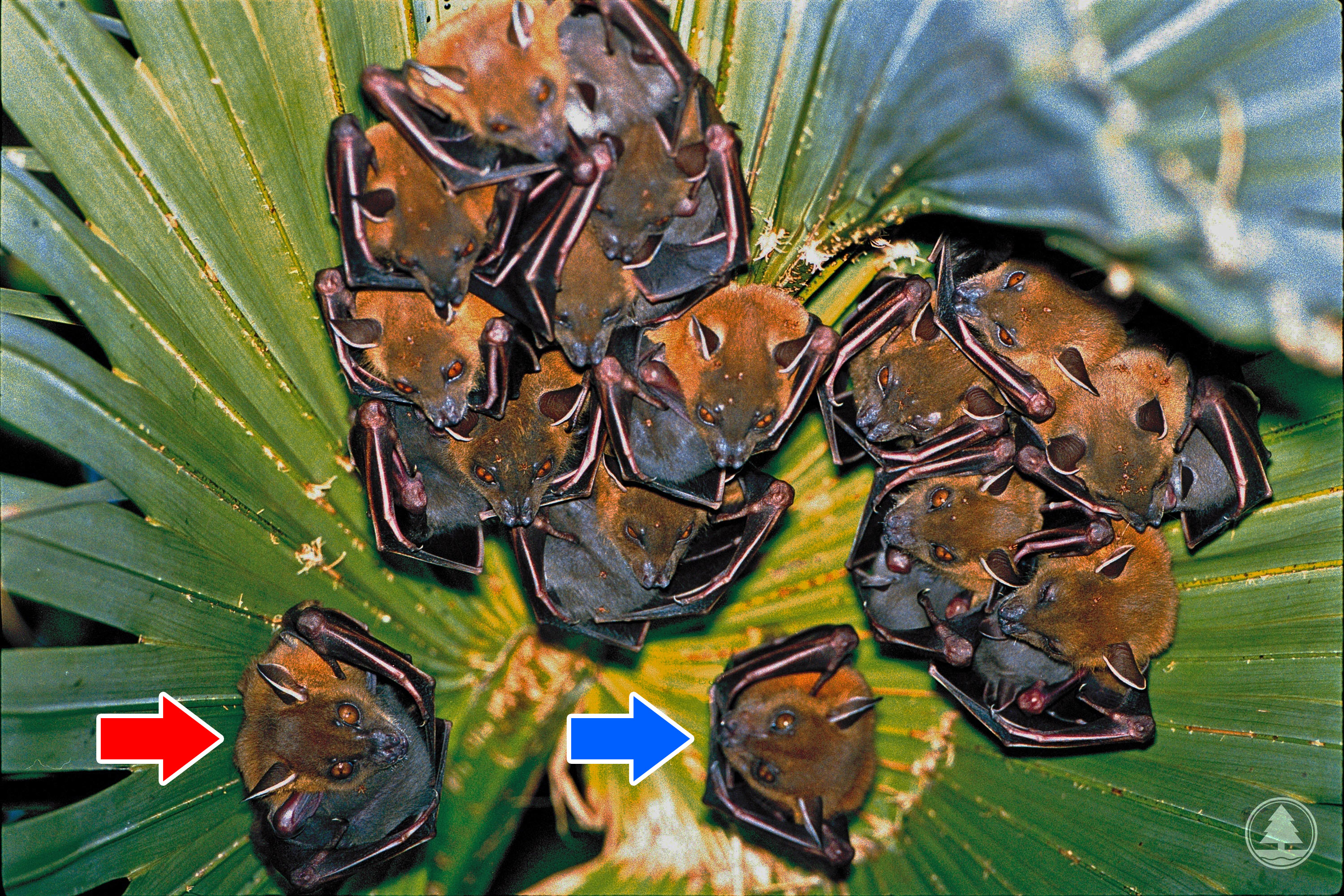
Short-nosed Fruit Bats are one of the very common bat species in Hong Kong. They are widely distributed and can be found in many of the parks and gardens in urban areas. They modify the fronds of the Chinese Fan-palms and Petticoat Palms to make their diurnal roosting tents. According to a survey on Short-nosed Fruit Bats by AFCD in 2006, they are commonly found on these two palm trees, in the height between 5 to 10 metres. About 6.1% of Chinese Fan-palms in urban areas contain roosts of this fruit bat. If you want to see the bats, you may locate a Chinese Fan-palm in a park and check the fronds to see whether there are any bite marks. If you find collapsing fronds with circular bite marks along the major veins, you may be able to see the bats under the collapsing “tent”. With the aid of a pair of binoculars, you can also identify the species by their ears and wing bones, which have white edges. In addition, the males are larger in size with an orange-tinted collar while the females are smaller with a yellowish brown collar. The immature individuals are often paler grey without any orange-tinted or yellowish brown collar. Furthermore, when roosting, a single dominant male Short-nosed Fruit Bat typically roosts either alone or in a harem of 2 to 20 reproducing females and their dependent young. In the daytime, a harem male can be further identified as comparatively more alert and active than the females, with the eyes opened and wings partially spread.
A harem of a dominant male (blue arrow) associated with reproductive females (red arrow) and their dependent young.
Living in Harmony with Bats
Bats play important ecological roles, for example, many plant species rely on fruit bats to pollinate and disperse their seeds; insectivorous bats can predate a large amount of insects (including pests such as midges and mosquitoes) per night, and by which, they control the insect (pest) population. Being the pollinator, seed disperser and pest predator, bats have indirectly provided economic benefits to us.
Bat colonies are commonly found in water tunnels and caves in Hong Kong. Besides, some bats roost in trees, buildings or under bridges. Since bats are highly sensitive to human disturbance, we should avoid visiting their roosts or disturbing them. Generally, bats are not aggressive and tend to keep a distance from human. Therefore, if you encounter a bat, just keep calm and avoid unnecessary contact, and you’d be just fine.
Bats contribute greatly to our ecosystem and economy. It is important for us to learn to appreciate them, give them space they deserve, and live in harmony with them.
Tips for Observing Terrestrial Mammals
Besides the general hiking gear, such as sufficient food and drinks, compass and maps, below are some useful tips for observing mammals or other wildlife:
Do not feed wild animals.
Do not arouse the attention of wild animals.
Do not disturb or capture wild animals.
Avoid wearing brightly coloured clothing.
Do not damage or destroy vegetation, disturb wildlife or their living environment.
In addition, bats are very sensitive to human disturbance. In winter, torpid or hibernating bats are extremely sensitive to the presence of human in their roosting roost which the disturbance can wake the bats up from their hibernation. This may cost extra energy consumption and the bats may die from energy depletion before spring. Reproducing bats are also very sensitive to disturbance which can lead to young being dropped by their mothers or the bats being forced to move to other inferior sites. As bats often aggregate in colonies in caves such as water tunnels or abandoned mines, a single visit may affect a large number of bats. Therefore, visits to roosting sites should be avoided.
References
Ades, G.W.J. (1999). The species composition, distribution, and population size of Hong Kong bats. Memoirs of the Hong Kong Natural History Society, 22, 183-209.
Chapman, C. A. (1995). Primate seed dispersal: coevolution and conservation implications. Evolutionary Anthropology: Issues, News, and Reviews, 4(3), 74-82.
Fleming, T. H., Geiselman, C., and Kress, W. J. (2009). The evolution of bat pollination: a phylogenetic perspective. Annals of botany, 104(6), 1017-1043.
Goodyer, N.J. (1992). Notes on the land mammals of Hong Kong. Memoirs of the Hong Kong Natural History Society, 19, 71-78.
Herklots, G.A.C. (1951). The Hong Kong Countryside. Hong Kong: South China Morning Post.
Hill, D. S., and Philipps, K. (1981). Hong Kong Animals. Government Printer, Hong Kong.
Lofts, B. (1976). The fauna of Hong Kong. The Hong Kong Branch of the Royal Asiatic Society, 13-22.
Marshall, P. (1967). Wild Mammals of Hong Kong. Oxford University Press.
Nowak, R. M., and Walker, E. P. (1991). Walker's Mammals of the World (5th ed.). Baltimore, MD: Johns Hopkins University Press.
Nowak, R. M., and Walker, E. P. (1994). Walker's Bats of the world. Baltimore, MD: Johns Hopkins University Press.
Shek, C.T. (2003). Survey of Hong Kong non-flying terrestrial mammals by camera trapping in 2002. Hong Kong Biodiversity, 5, 10-11.
Shek, C.T. (2004). Bats of Hong Kong: An introduction of Hong Kong bats with an illustrative identification key. Hong Kong Biodiversity, 7, 1-9.
Shek, C.T. (2006). Mist Net Survey of Bats with Three New Bat Species Records for Hong Kong. Hong Kong Biodiversity, 11, 1-7.
Shek, C.T. (2006). Survey on the Short-nosed Fruit Bat (Cynopterus sphinx) in the Urban Areas of Hong Kong. Hong Kong Biodiversity, 11, 8-10.
Suen, K.Y. et al. (2002). Final Report: Survey and long-term monitoring of terrestrial non-flying mammals in country parks of Hong Kong, 2002. Wildlife Conservation Foundation Limited.
Tuttle, D.M. (1998). America's neighborhood bats (pp. 5-16). Austin: The University of Texas Press.