Afforestation History in Country Parks
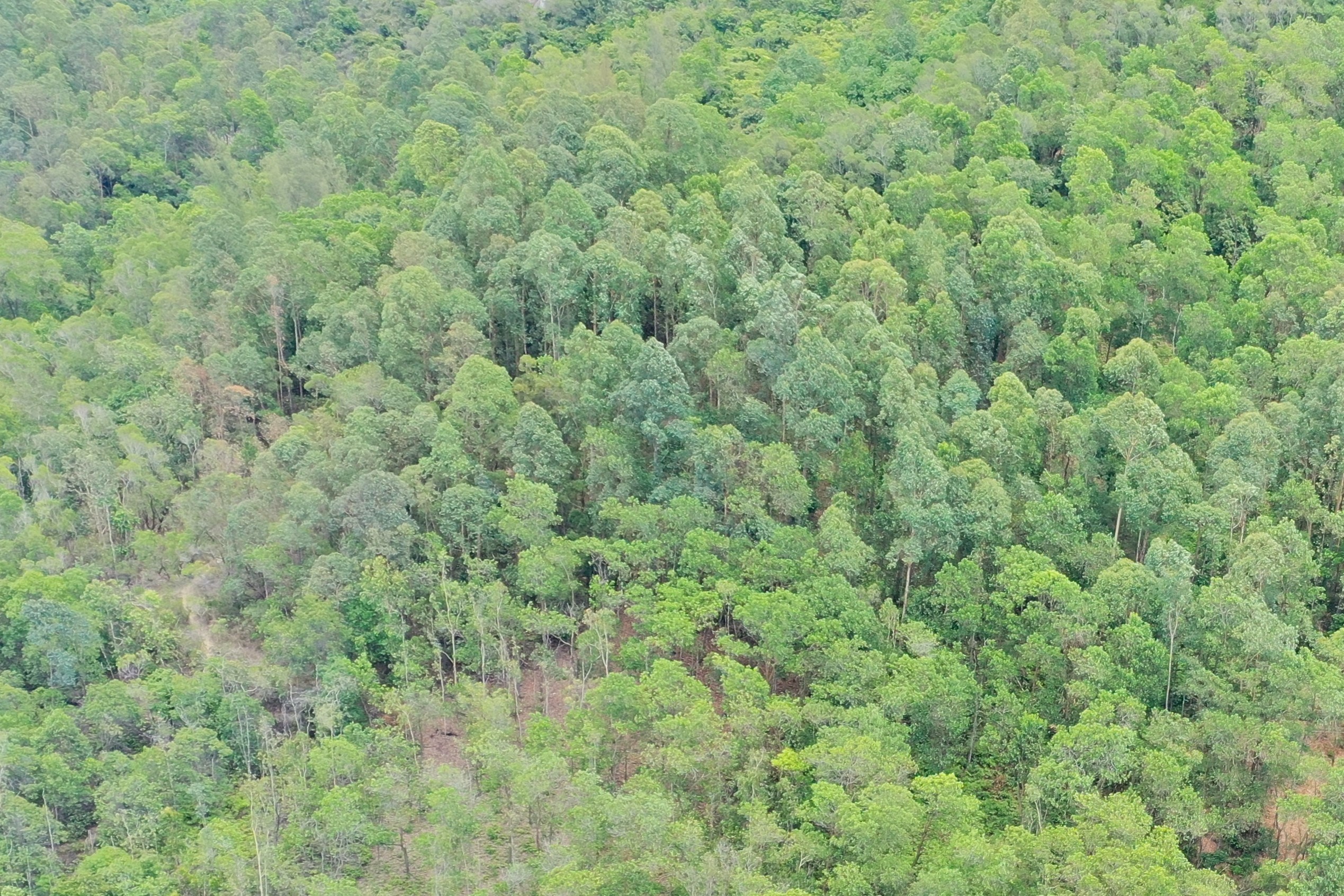
Afforestation in country parks prior to the 1980s mainly utilised exotic tree species known for their hardy and fast-growing characteristics. Species such as Taiwan Acacia (Acacia confusa), Brisbane Box (Lophostemon confertus) and Slash Pine (Pinus elliottii) were planted to establish vegetation cover on barren hillsides and prevent soil erosion. After decades of afforestation efforts, the woodland coverage of Hong Kong has gradually increased.
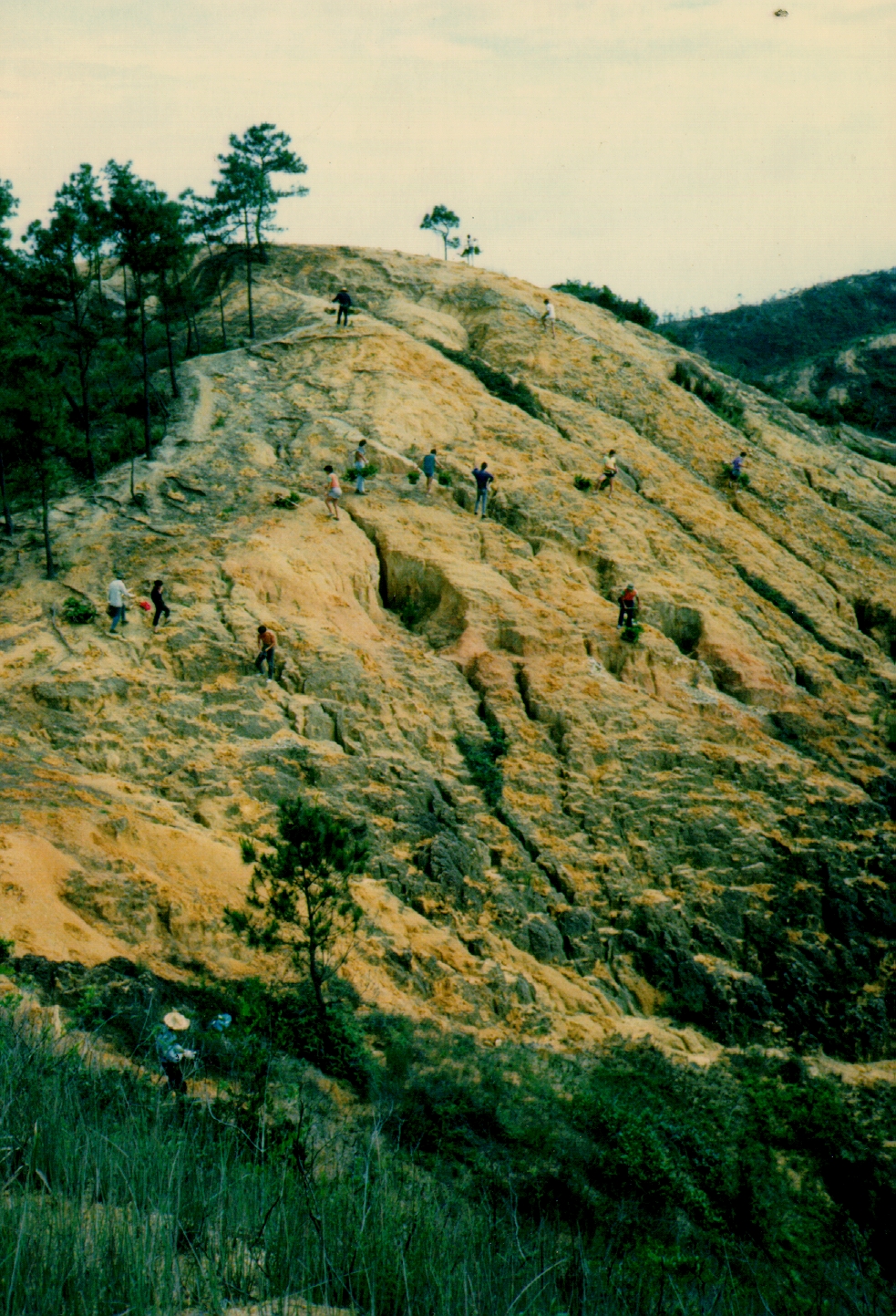 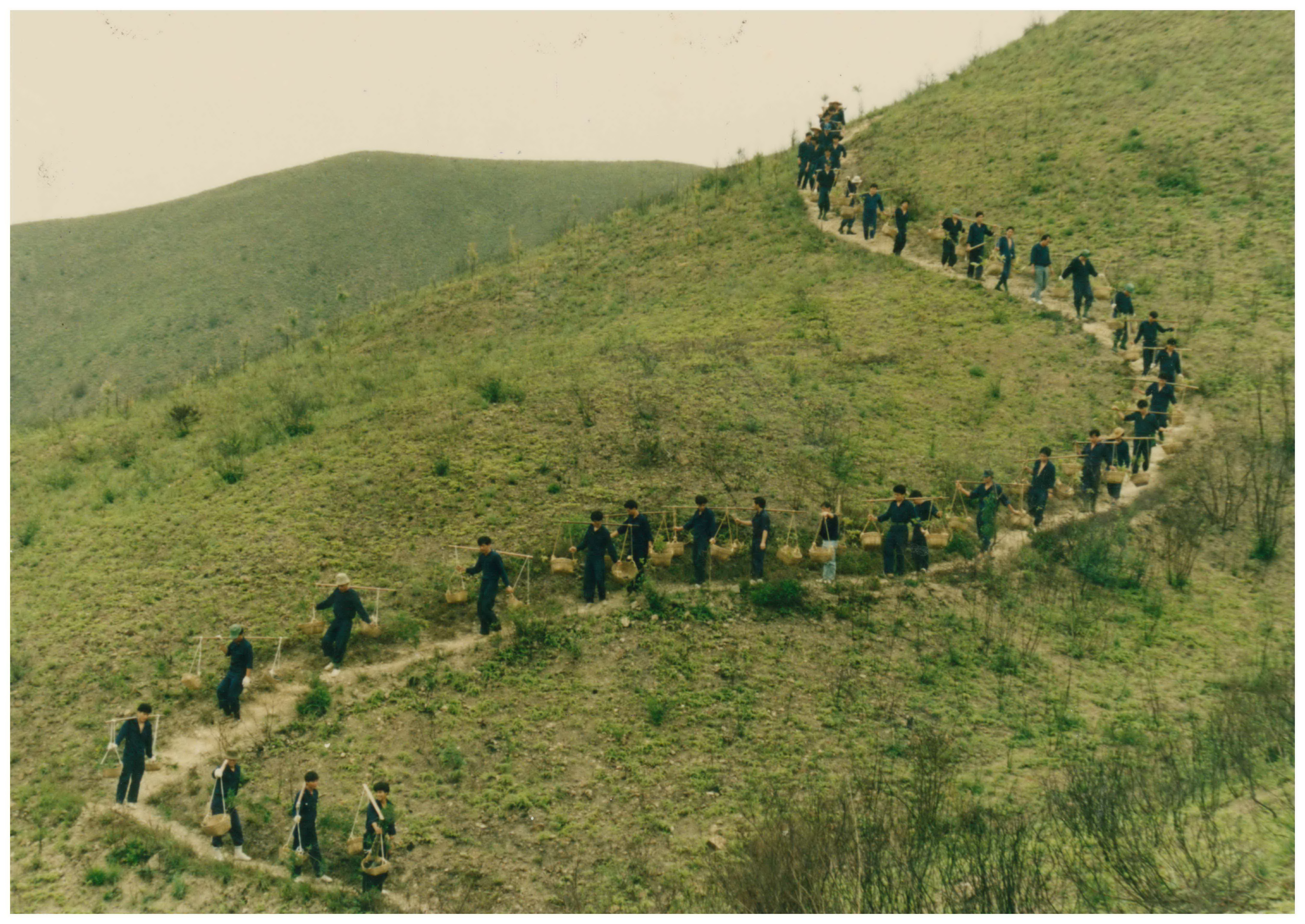 
Country Parks Plantation Enrichment Programme
While the exotic plantations established during the early stages of afforestation successfully restored the barren hillsides, these plantations are now experiencing issues like aging, overcrowding and slow natural regeneration of native plants. Moreover, they provide less suitable habitats and fewer food sources for native wildlife.
To facilitate the transformation of exotic plantations into diverse native woodlands, the Agriculture, Fisheries and Conservation Department (AFCD) launched the Country Parks Plantation Enrichment Programme (PEP) in 2009 with the following main objectives:
- to increase biodiversity and ecological value of exotic plantations in country parks;
- to enhance the sustainability of the plantations, and
- to improve the health of trees within and reduce the chance of pest outbreaks.
The programme aims to enrich the exotic plantations through habitat management, the core enrichment measures typically include thinning aging exotic trees, planting native tree seedlings and conducting post-planting maintenance (such as weeding, fertilising and pruning). Successful transformation of each site requires several years of continuous enrichment work.
|
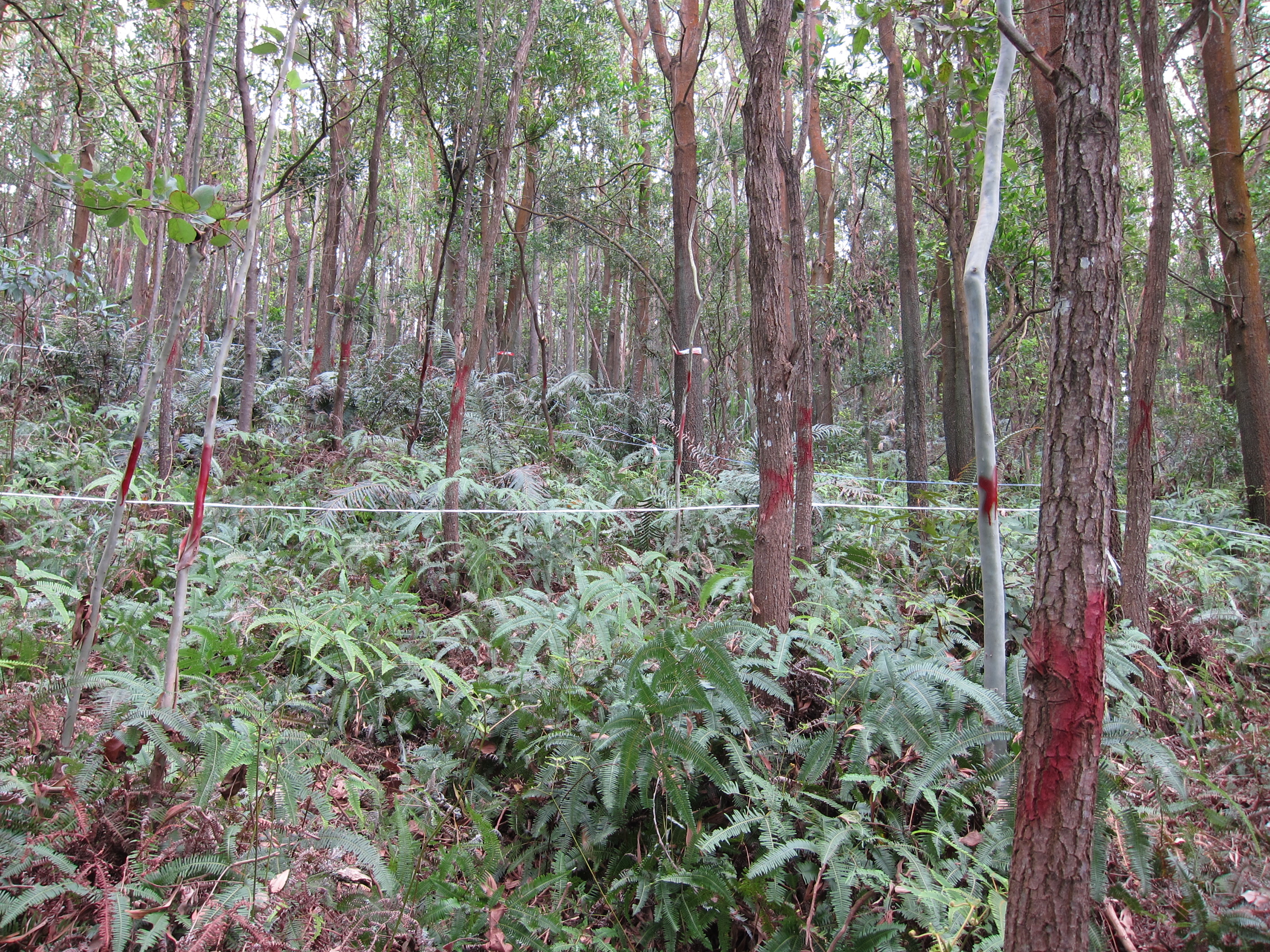
Selecting aged, dead or unhealthy exotic trees for thinning
|
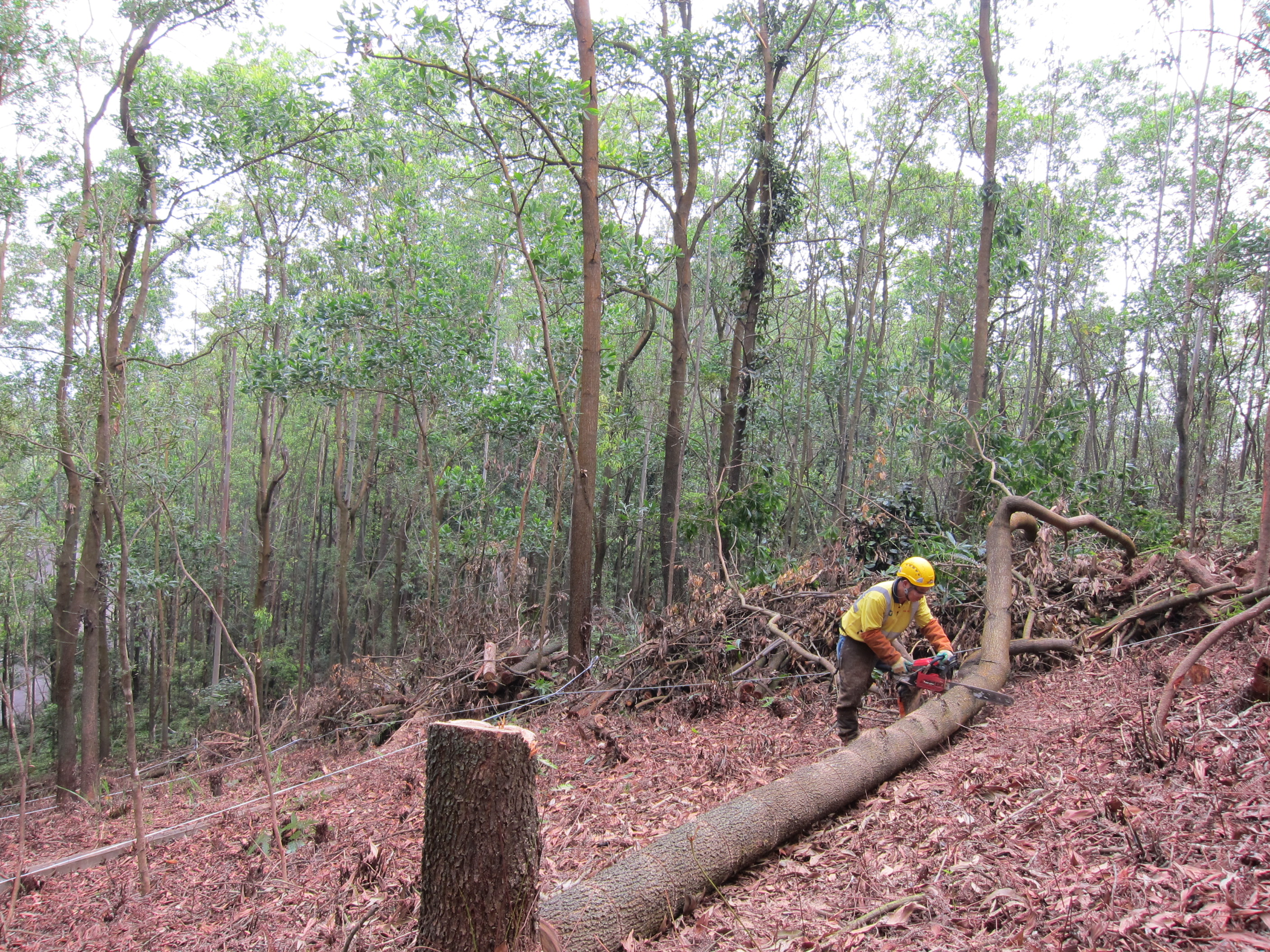
Thinning of exotic species
|
|
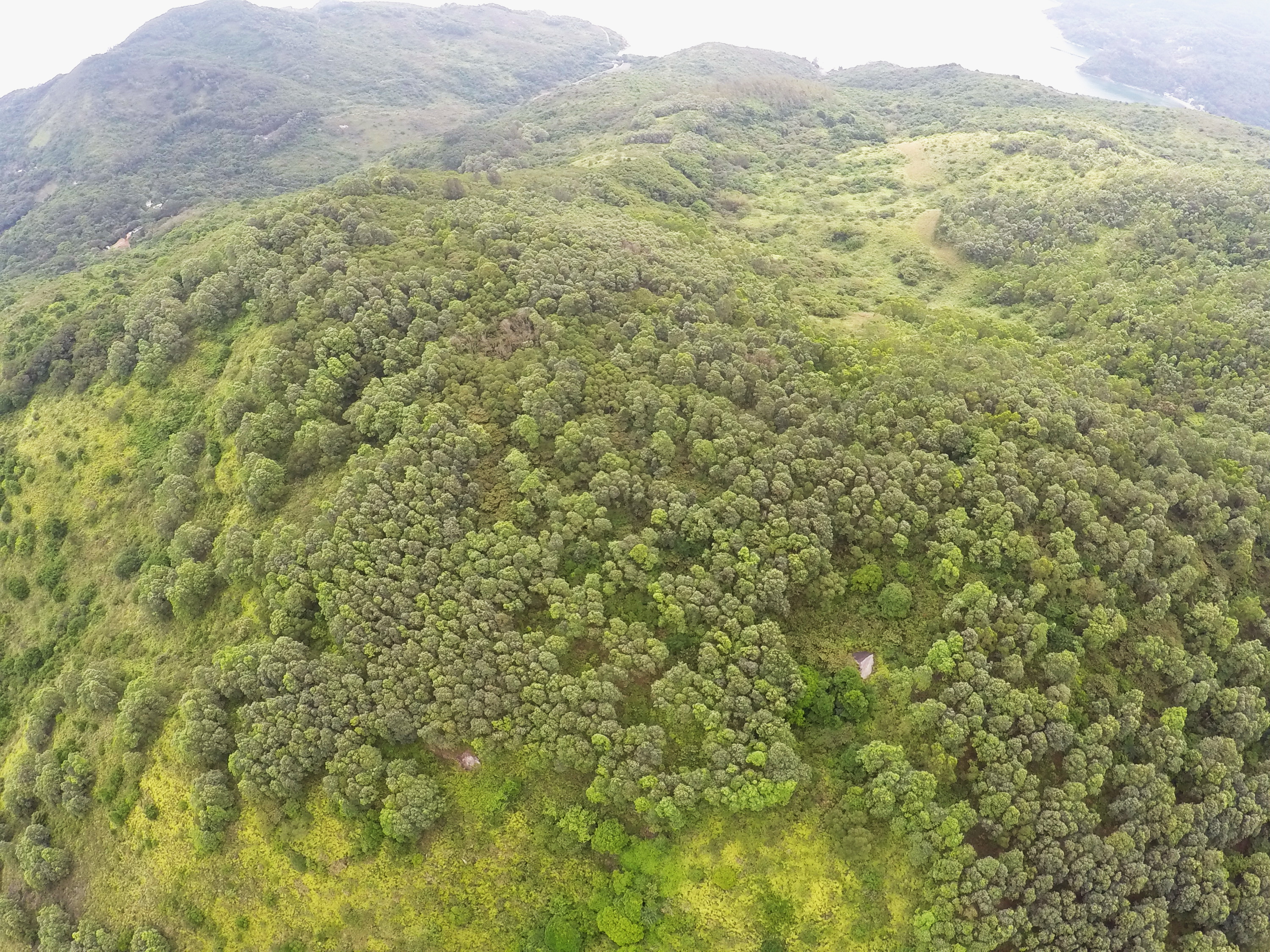
Plantation after thinning by chessboard method
|
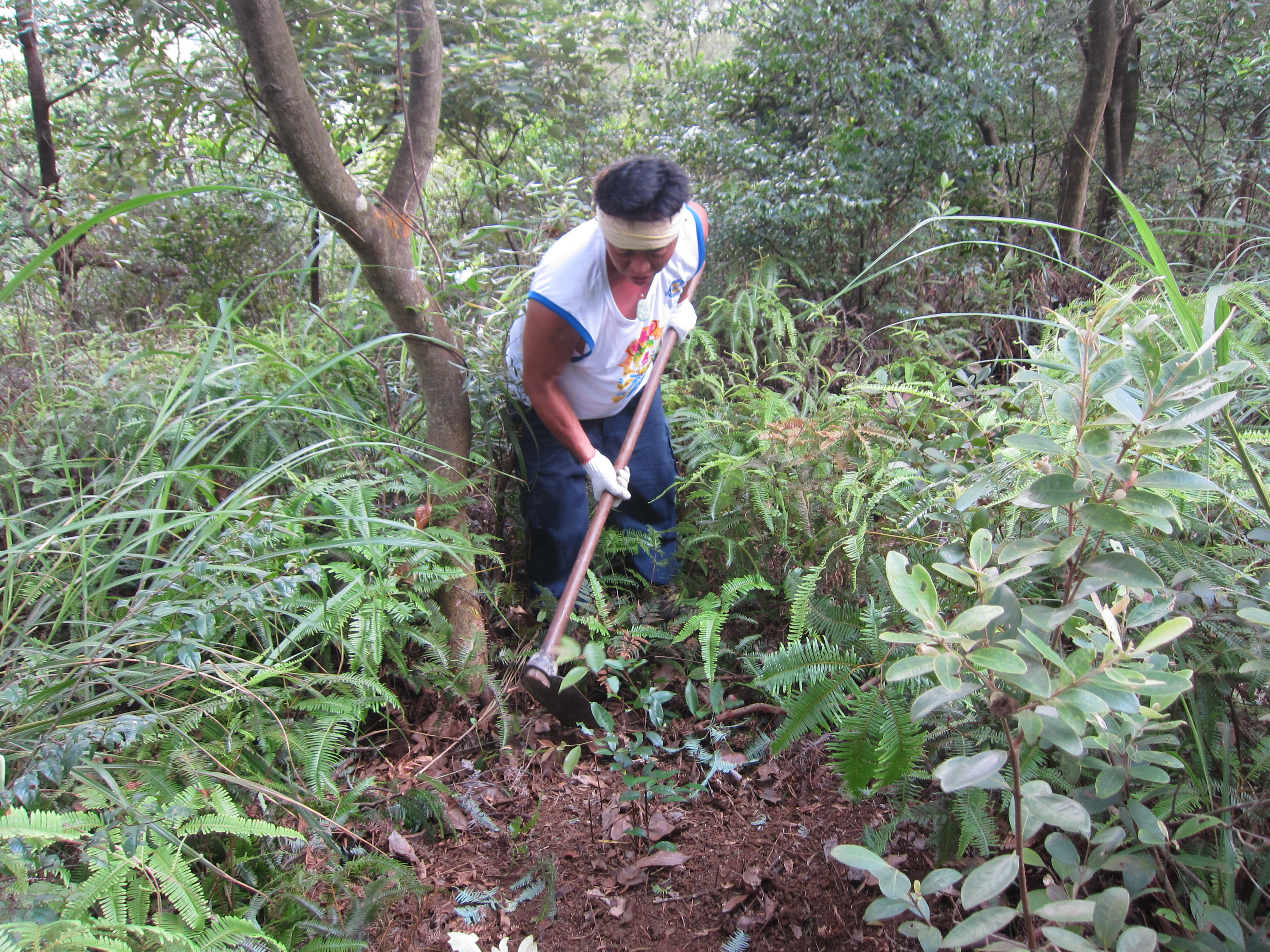
Planting of native seedlings
|
|
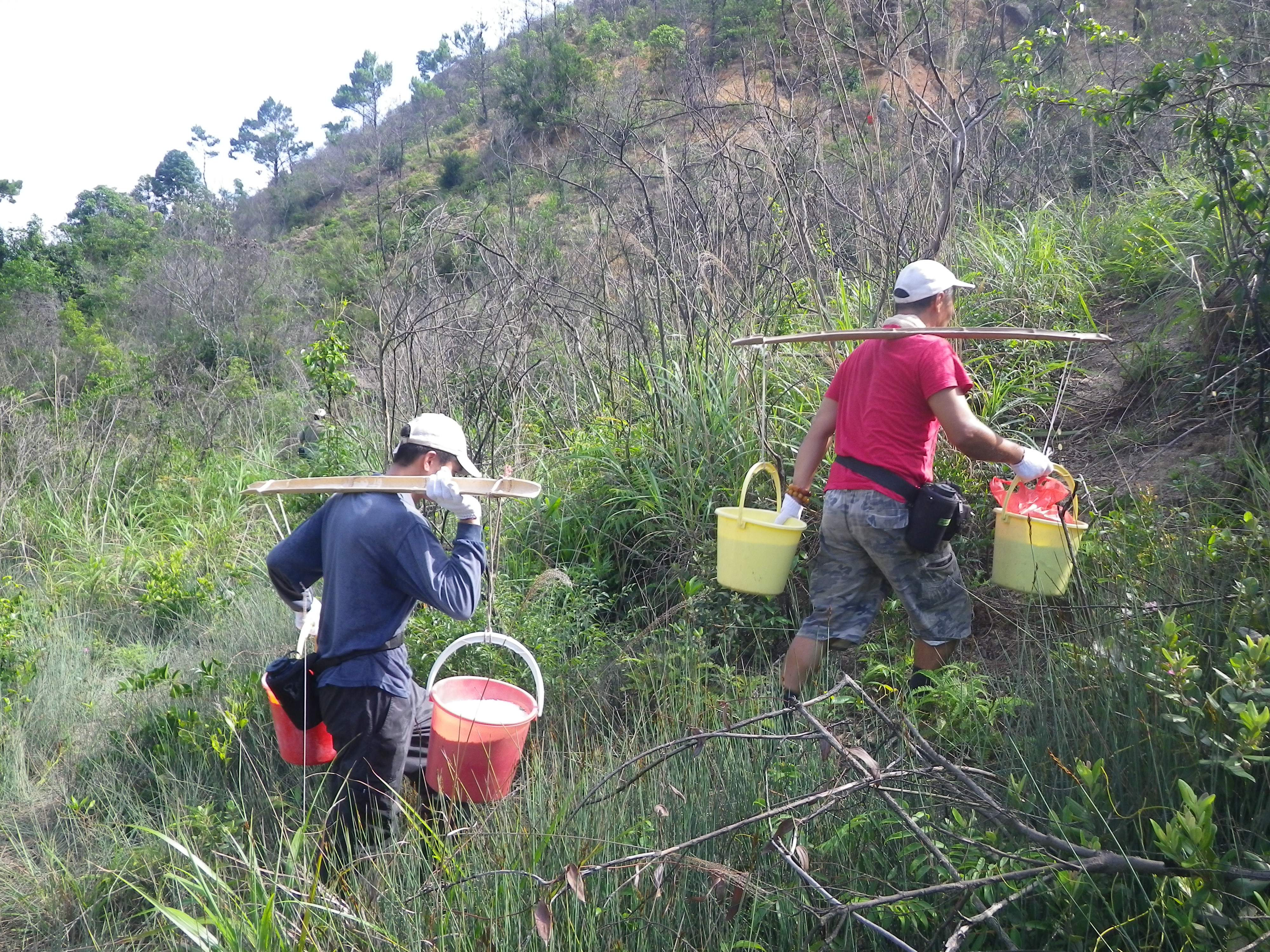
Adding fertiliser to seedlings
|
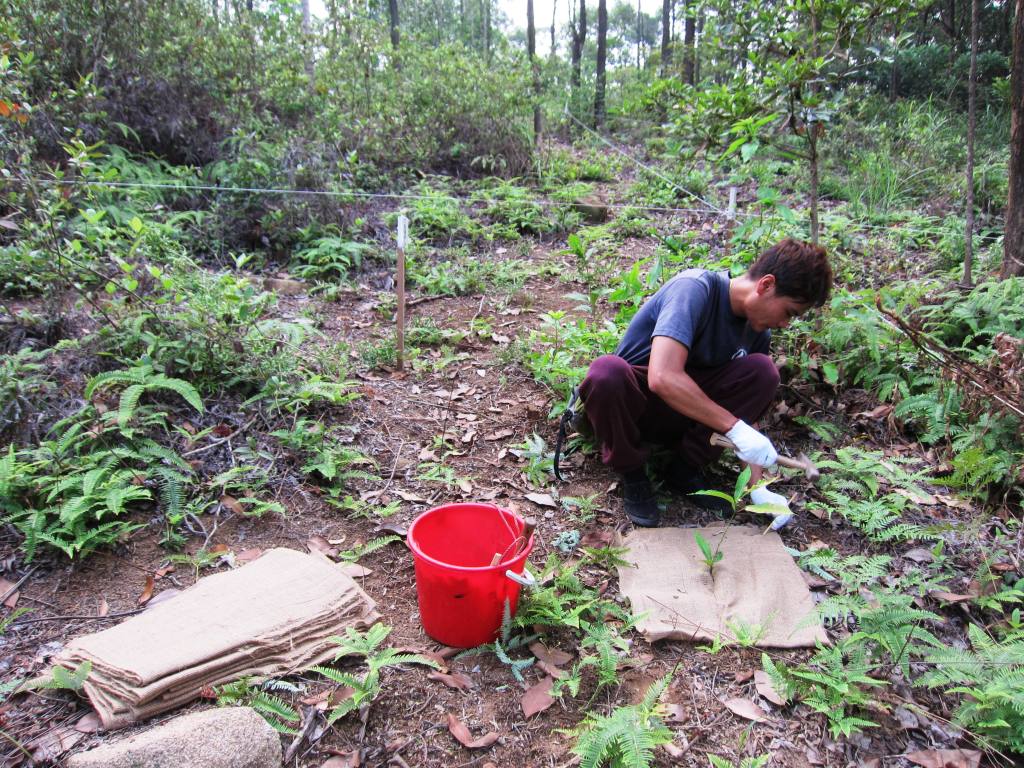
Weed control measures for seedlings
|
Involvement of Non-Governmental Organisations
Since 2016, the AFCD has expanded the programme to engage experienced non-governmental organisations (NGOs) that are dedicated to local habitat conservation work, to promote the benefits of the PEP and biodiversity to the wider public. Participating NGOs are required to propose a detailed implementation plan and commit to conduct habitat management work at their allocated plantation sites for a minimum of 5 years. Additionally, these NGOs need to organise educational and public engagement activities, creating opportunities for community participation in the PEP.
NGOs fulfilling the following criteria are welcome to participate in the programme:
- must be a locally registered non-profit-making organisation;
- have a dedicated team consisting of members:
- possess professional knowledge on woodland habitat management and local ecology; and
- have experience in organising large-scale public tree planting and tree tending activities;
- actively involved in local habitat conservation work and have good track records in relevant projects; and
- are willing to commit at least 5 years of enrichment work for each selected PEP site.
Applications are typically invited once a year between June and July. Only applications from NGOs that meet all of the criteria will be considered. Successful applicants allocated a site are required to submit an implementation proposal for AFCD review. Throughout the implementation period, participating organisations are required to submit written reports to the AFCD in accordance with the submission schedule.
How You Can Help
Currently, the following NGOs are carrying out enrichment work at various PEP sites:
- Environmental Association;
- Friends of the Earth (HK);
- Green Power;
- Sai Kung District Community Centre;
- The Conservancy Association;
- The Green Earth; and
- World Green Organisation.
The public and corporates are welcome to participate in the programme and support their work. If you are interested, please contact the participating NGOs for further details on their activities. Your participation will directly contribute to nature conservation in country parks.
For any enquiries about the programme, please contact the Country Parks Officer (Enhancement Projects 1) at 2150 6895.
|
