Protected Wild Animals
Hong Kong has a wide variety of habitats which contribute to the diversity of local fauna.
In order to protect the wildlife and their habitats, the Government has enacted the 'Wild Animals Protection Ordinance (Cap. 170)' in 1976 to make provision for the conservation of wild animals, and for purposes connected therewith. Wild animals specified in ‘Schedule 2’ of the Wild Animals Protection Ordinance are protected by law. No person shall hunt, wilfully disturb, sale, export or possess any protected wild animals. Upon conviction, the maximum penalty is a fine of HK$100,000 and imprisonment for 1 year.
Introduction of Protected Wild Animals
Terrestrial Mammals
Bats are common in the rural areas. Some species, like the Himalayan Leaf-nosed Bat, may inhabit abandoned old village houses. Sometimes they could be found even in built-up areas. Most of them feed on insects and natural fruits.
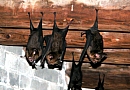 |
| Bat |
|
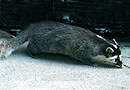 |
| Ferret Badger |
|
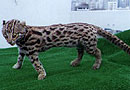 |
| Leopard Cat |
|
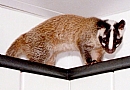
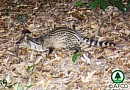
Mask Palm Civets, Ferret Badgers Small Indian Civets and Leopard Cats can occasionally be found in the countryside.
|
|
| Mask Palm Civet |
|
|
|
| Small Indian Civets |
|
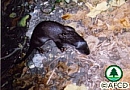 |
| Eurasian Otter |
|
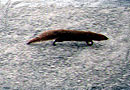
In the seashore areas of the northern New Territories, Eurasian Otter and the mongooses are sometimes seen. They are good swimmers. First recorded in the 1990s, the Small Asian Mongoose is now inhabiting Country Parks which are far away from seashores.
 |
|
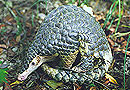
Pangolin
|
|
 |
|
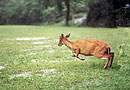
Barking Deer
|
|
 |
|
Mongoose
|
|
Barking Deer, Chinese Porcupines and Chinese Pangolins may still be seen in some remote areas.
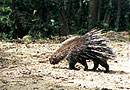 |
| Chinese porcupine |
|
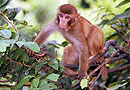 |
| Monkey |
|
Except human, monkeys are the only wild primates found in Hong Kong. Rhesus Macaques, Long-tailed Macaques and their hybrids can easily be found in the areas adjacent to Kowloon Reservoir, with Rhesus Macaques as the majority. AFCD conducts endoscopic contraceptive treatment to sterilise the monkey every year, in order to control the monkey populations in Hong Kong in the long run.
All cetaceans (dolphins, whales and porpoises) are also included as protected wild animals. Information on the conservation of marine mammals can be found in our website.
Back to Top
Amphibians and Reptiles
Hong Kong has over 108 species of amphibians and reptiles. Most snakes in Hong Kong are harmless and the numbers of known bites by highly venomous snakes and of death from snakebites are very few. The only protected snake in Hong Kong is the Burmese Python (Python bivittatus) (non-venomous) while all turtles, terrapins and tortoises are protected under the Wild Animals Protection Ordinance (Cap. 170).
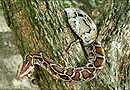 |
| Burmese Python |
|
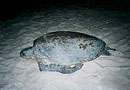 |
| Green Turtle |
|
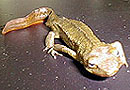
Three species of amphibians are protected under the Wild Animals Protection Ordinance. They are the Romer's Tree Frog (Liuixalus romeri), the Hong Kong Cascade Frog (Hong Kong Torrent Frog) (Amolops hongkongensis) and the Hong Kong Newt (Hong Kong Warty Newt) (Paramesotriton hongkongensis).
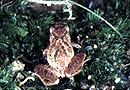 |
| Romer's Tree Frog |
|
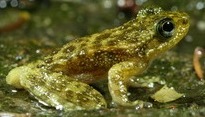 |
| Hong Kong Cascade Frog
(Hong Kong Torrent Frog)
|
|
 |
|
Hong Kong Newt
(Hong Kong Warty Newt)
|
|
Back to Top
Insects
Hong Kong is rich in insect fauna. There are about 200 species of butterflies and over 100 species of dragonflies being recorded in the territory. Most of them are brilliantly coloured and they are the most attractive flying creatures other than birds. The Birdwing Butterfly, which is rare in Hong Kong, is the only protected insect species under the Wild Animals Protection Ordinance.
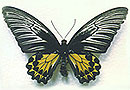 |
| Bird wing Butterfly |
|
Back to Top
Birds
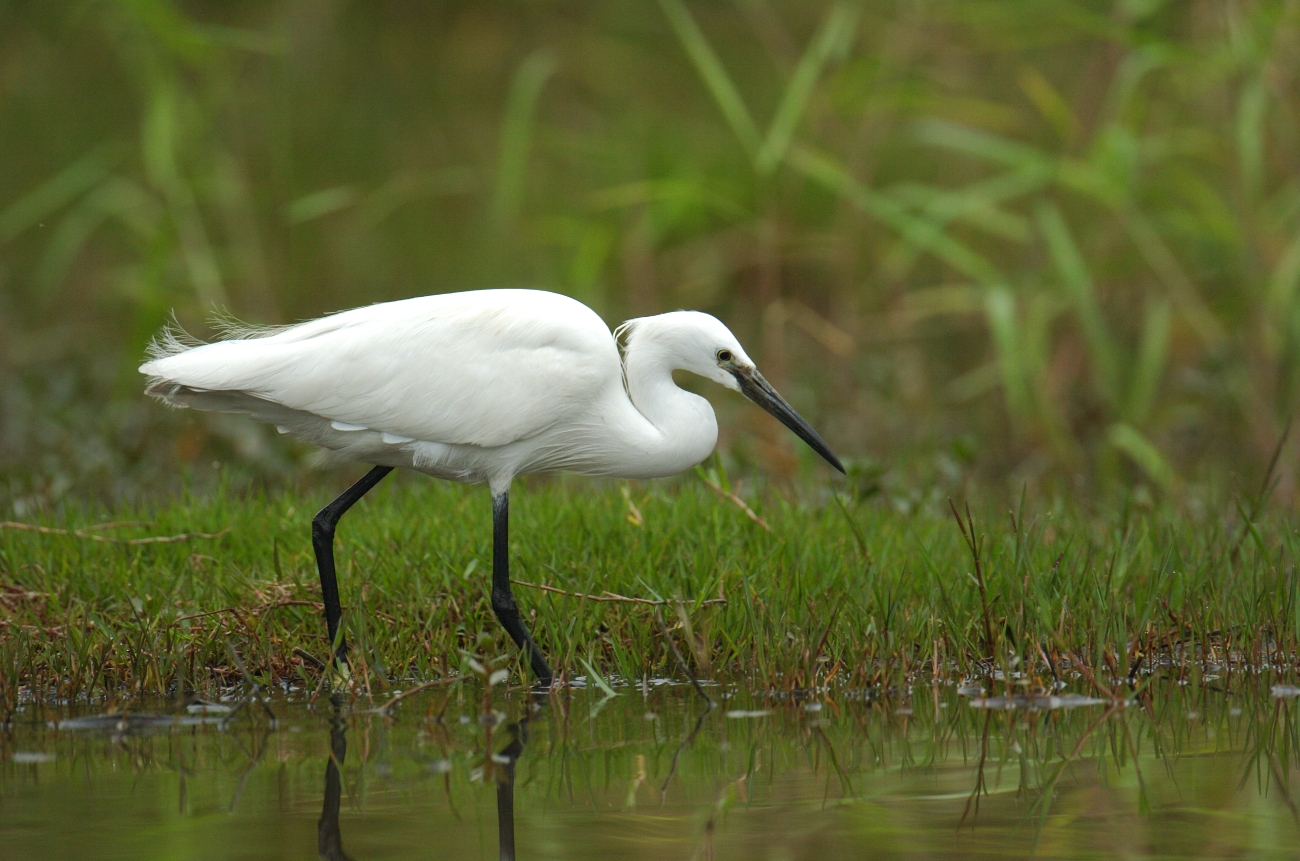
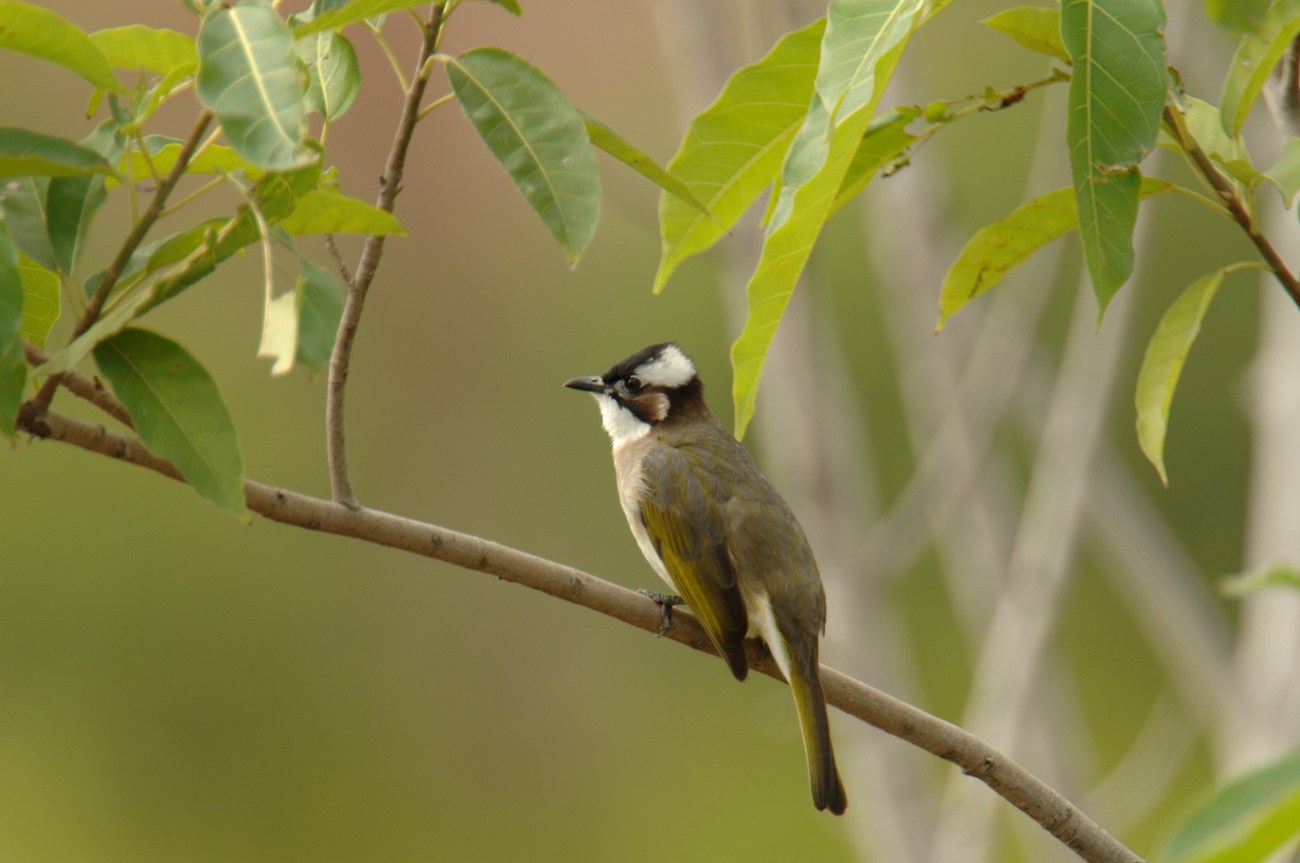
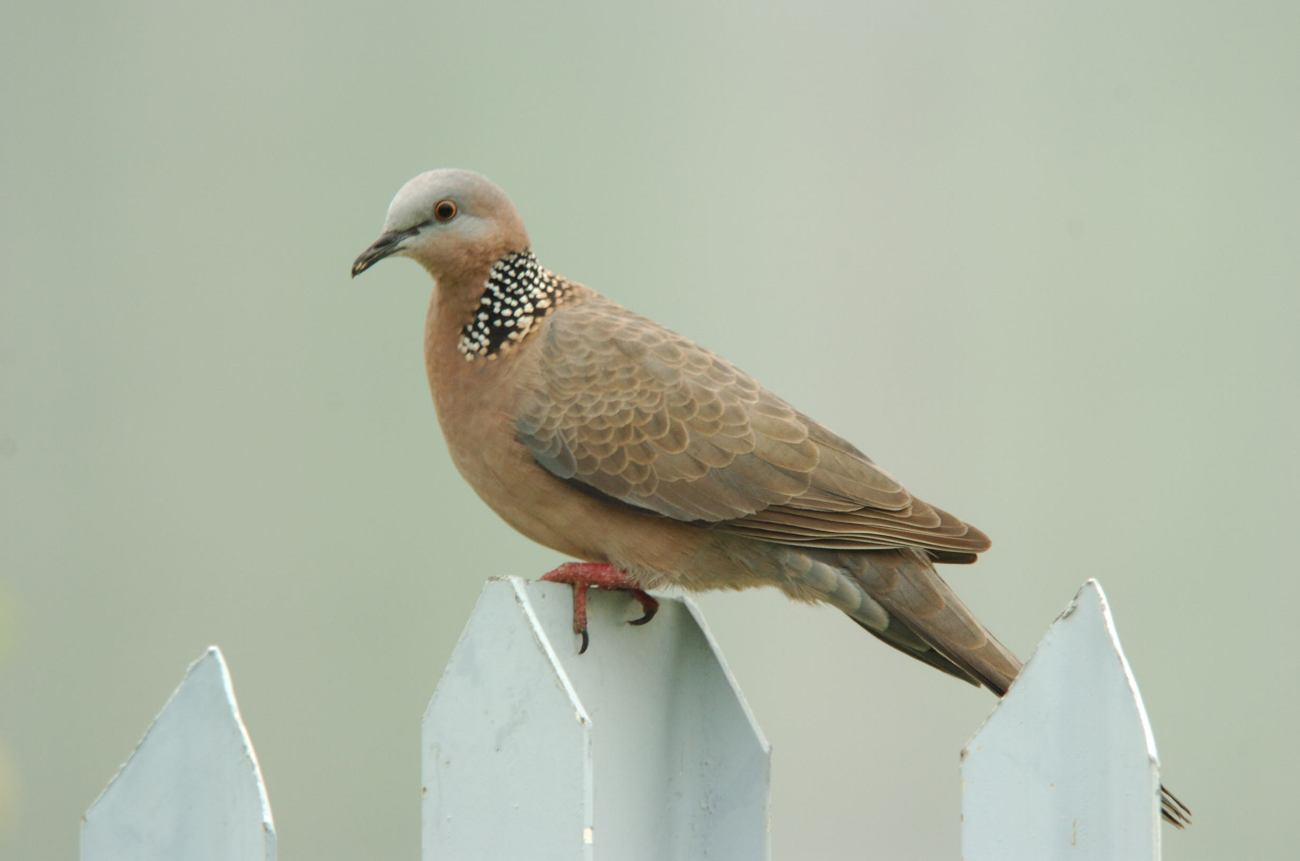
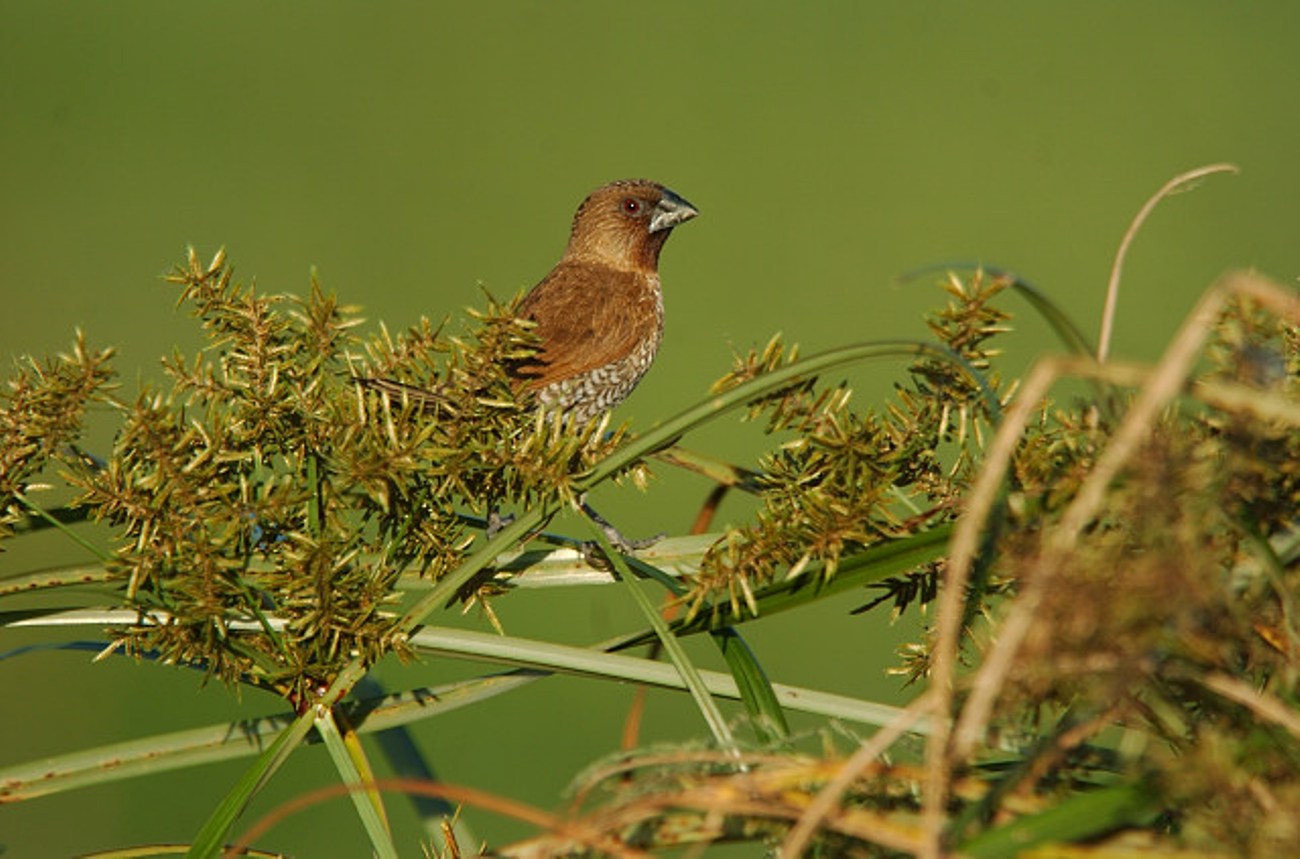
Around 570 species of birds have been recorded in Hong Kong. Most of them are passage migrants in spring and autumn, and wintering visitors. Hong Kong has a variety of habitats which provide a rich supply of food and shelter for these birds. All wild birds are protected under the Wild Animal Protection Ordinance (Cap. 170).
Back to Top