HONG KONG : THE FACTS - Country Parks and Special Areas
|
HONG KONG : THE FACTS - Country Parks and Special Areas
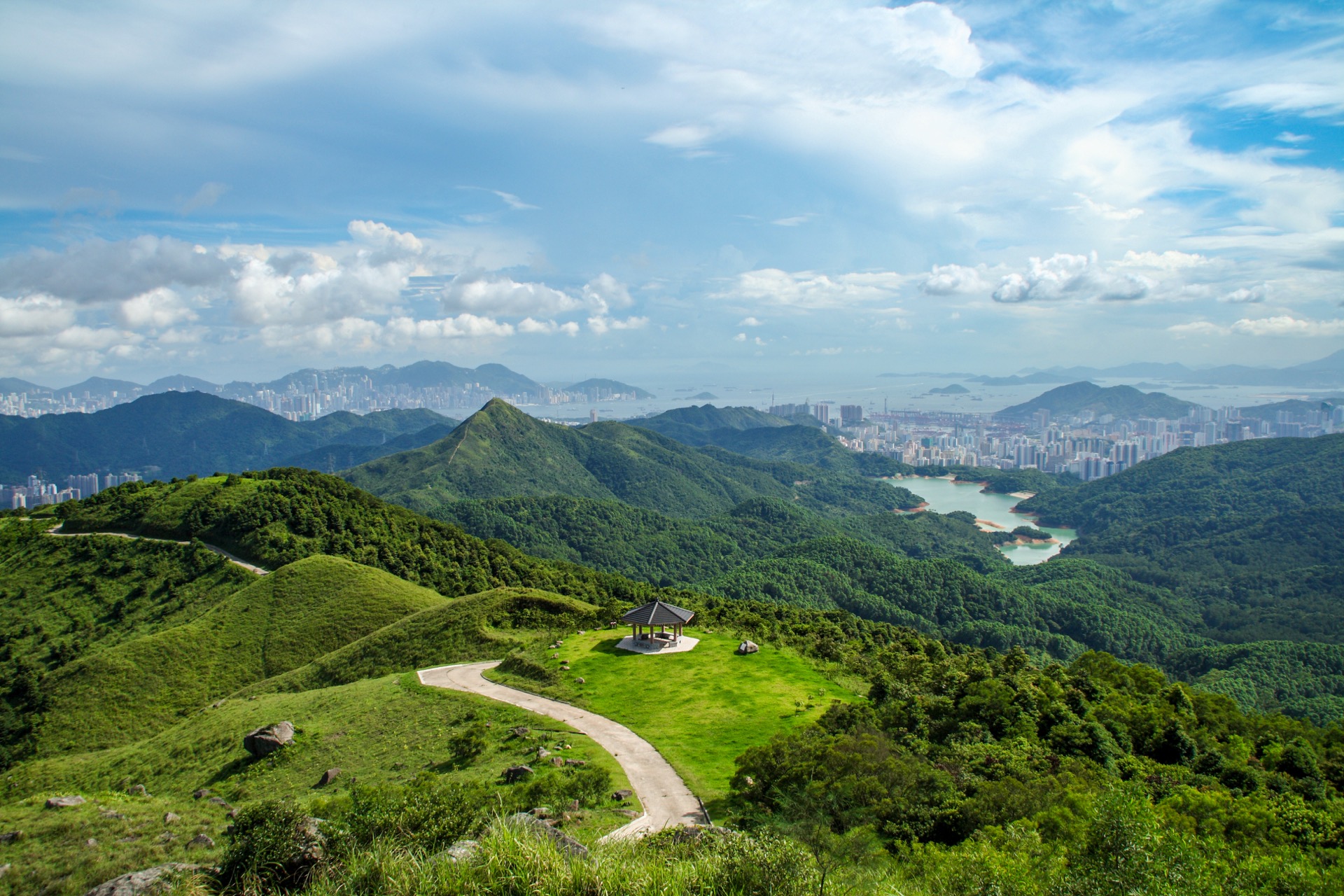
Although Hong Kong is one of the world’s metropolises, it has a great deal to offer scenically — a landscape rising from sandy beaches and rocky foreshores to heights of almost 1 000 metres, woodlands and mountain ranges covered by open grassland and a variety of scenic vistas rarely, if ever, matched in so small a territorial unit. The Country Parks Ordinance provides a legal framework for the designation, development and management of country parks and special areas. It provides for the establishment of a Country and Marine Parks Board to advise the Director of Agriculture, Fisheries and Conservation on all matters related to country parks and special areas. Upon the designation of Robin’s Nest Country Park in March 2024, there are a total of 25 country parks for the purposes of nature conservation, countryside recreation and outdoor education. There are 22 special areas created mainly for the purpose of nature conservation.
Country Parks and Special Areas Distribution Map
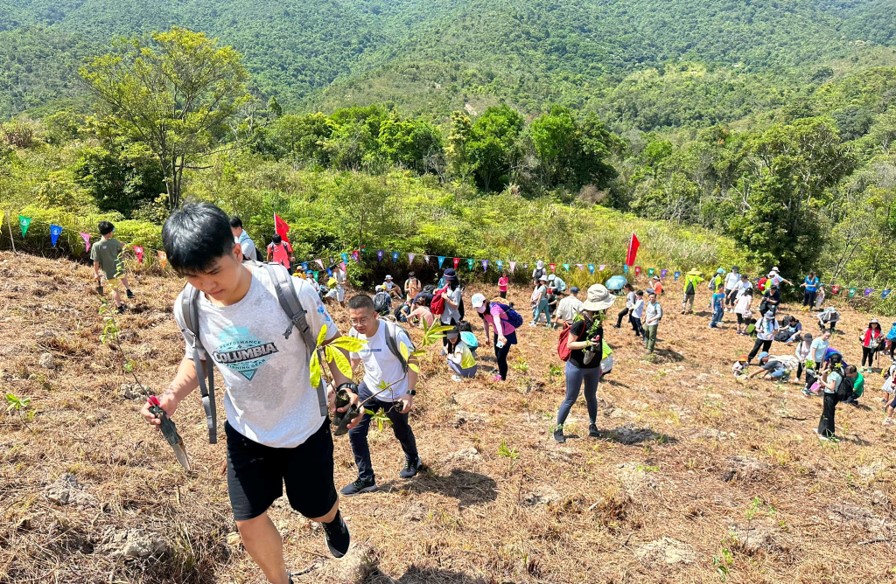
The country parks and special areas cover a total area of 44 842 hectares. The country parks comprise scenic hills, woodlands, reservoirs and coastline in all parts of Hong Kong. The Agriculture, Fisheries and Conservation Department (AFCD) manages the parks and is responsible for tree planting, plantation enhancement, conservation education, fire prevention and fighting, keeping country parks clean, development control and provision of recreation and education facilities. The country parks are very popular with all sectors of the community and spending a day in a country park is accepted by many as one of the best recreational choices in town. Some 13 million visitors were recorded in 2023 and most visitors engaged in hiking, leisure walking, fitness exercise, barbequing, camping and family outings etc. Park facilities provided in recreational sites include tables and benches, barbecue pits, litter bins, shelters, campsites, water filling stations and toilets — all carefully designed to blend in with the environment. Footpaths and country trails provide easy access to the hills and the woodlands for visitors to enjoy the scenic beauty of these areas. Major paths are regularly improved and waymarked. The four long-distance hiking trails are very popular among hikers. The MacLehose Trail traverses the New Territories from Sai Kung in the east to Tuen Mun in the west. The Lantau Trail is a circular trail on Lantau Island. The Hong Kong Trail traverses all the five country parks on Hong Kong Island. The Wilson Trail stretches from Stanley in the south of Hong Kong Island to Nam Chung in the north New Territories. Leaflets and pamphlets were published to help visitors enjoy and understand the country parks. The Lions Nature Education Centre at Tsiu Hang Special Area in Sai Kung is a special attraction to visitors as it consists of both indoor and outdoor thematic displays of vegetables, rocks and minerals and other local vegetation. The Woodside Biodiversity Education Centre in Quarry Bay introduces Hong Kong’s precious nature resources and biodiversity. Interpretative signs are installed along nature trails and tree walks to introduce plants and animals in the country parks and their ecology. Members of the public may access information about country park hiking trails on the “Enjoy Hiking” website. The “Enjoy Hiking Hiker Tracking Service” mobile application will record users’ hiking locations which may be retrieved from the system to expedite the rescue operation should any accidents occur.
AFCD also organises community-involved conservation programmes, including “Take Your Litter Home”, “Hiking Etiquette” Public Education and Publicity Programmes, Country Park Nature Interpretation Programme, Orienteering Programmes, “Countryside Adventure” Kindergarten Education Scheme, School Visit Programme, Country Parks Volunteer Scheme and other “Nature in Touch” educational activities to raise the public’s awareness of appreciating the nature and caring for the countryside.
List of Country Parks
List of Special Areas
Total area of Country Parks and Special Areas is 44842 hectares.
Country Parks and Special Areas Distribution Map
|
||||||||||||||||||||||||||||||||||||||||||||||||||||||||||||||||||||||||||||||||||||||||||||||||||||||||||||||||||||||||||||||||||||||||||||||||||||||||||||||||||||||||||||

 PDF format , 1.3 MB)