Lung Fu Shan
Overview
Lung Fu Shan Country Park was designated in 1998. It is the smallest country park in Hong Kong covering 47 hectares. Situated north of High West and south of Kotewall Road, its borders lie on Hatton Road in the east and Harlech Road in the south, while the west and north boundaries are marked by drains laid by the Water Supplies Department. War ruins are major highlights of the park. Pinewood Battery and remains of old forts provide perfect setting for a journey back in time. The Pinewood Picnic Site nearby is equipped with a rain shelter and barbecue stoves. Pinewood Battery was completed in 1905 as part of the Island West coastal defence line. This military relic is preserved within the protected realm of the country park, with interpretation panels to introduce its history.
Major Attractions
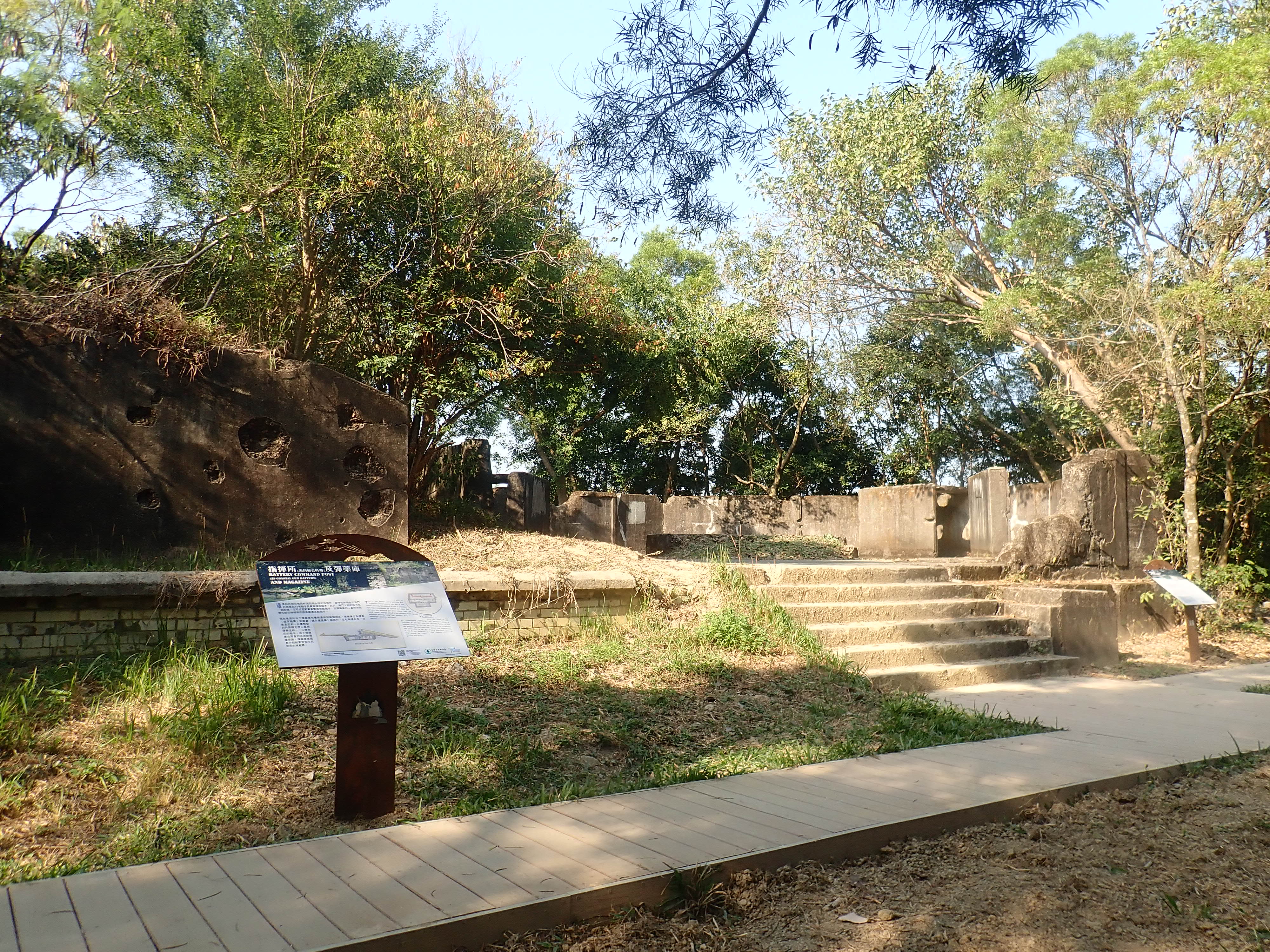
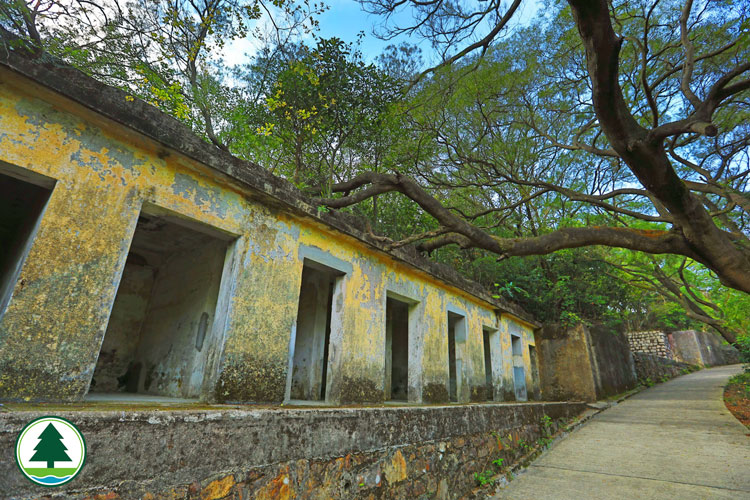
Sitting on a knoll in Lung Fu Shan Country Park, Pinewood Battery was an important point of coastal defence because it is situated at an area of elevated terrain looking out on the western mouth of Victoria Harbour. Construction of the battery started by the end of the 19th century and was completed in 1905, as part of the British colonial government’s plan to strengthen the defence of the western part of Hong Kong Island. As the air force improved following the Second World War, Pinewood Battery became an anti-aircraft battery with facilities like barracks to defend the Japanese Army, instead of the French or Russian forces. It was later abandoned in 1941, when it was heavily shelled by Japanese artillery fire. Surprisingly, its command post, lookouts, magazines, and even the lavatory remain in good condition, allowing visitors to learn about the wartime history along the 400-metre Pinewood Battery Heritage Trail.
Facilities
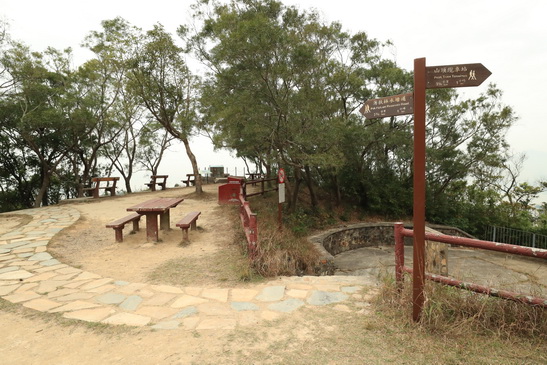
Lung Fu Shan Country Park provides a wide range of leisure facilities, including picnic sites, barbecue area, notice boards, toilets, fitness equipment, pedestrian walkways, rain shelters and lookout. Lung Fu Shan is not only a favourite destination for morning walkers, it is also a place to show the integration of natural ecology and human heritage. Tourists are attracted by its beautiful scenery and the chance to learn more Hong Kong's recent history. The Pinewood Battery Heritage Trail is set in Lung Fu Shan Country Park. The trail is about 0.4km long and starts at the entrance of the Picnic Area Site No.1 on Hatton Road. Along the trail, you will see the relics of the Pinewood Battery. Interpretation panels on site also introduce the history of the Battery.
Ecological Highlights
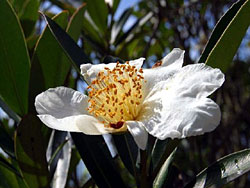
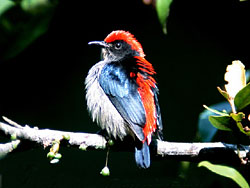
As part of a biodiversity programme, the Agriculture, Fisheries and Conservation Department has carried out ongoing afforestation work with native trees in Lung Fu Shan over decades. Native trees found in Lung Fu Shan include Hong Kong Gordonia (Polyspora axillaris), Chekiang Machilus (Machilus chekiangensis) , Ivy Tree (Schefflera heptaphylla), etc. Lung Fu Shan's lush woodlands are where more than 115 bird species roost and feed. All you need is a pair of binoculars and some patience, and you will easily discover these feathered friends. Some of them can be heard, while others can be seen perched on the trees. Common species are Crested Goshawk (Accipiter trivirgatus), Orange-bellied Leafbird (Chloropsis hardwickii), Red-whiskered Bulbul (Pycnonotus jocosus), Chinese Bulbul (Pycnonotus sinensis), Scarlet-backed Flowerpecker (Dicaeum cruentatum), Asian Brown Flycatcher (Muscicapa latirostris), Indian Cuckoo (Cuculus micropterus), Chinese Hwamei (Garrulax canorus), Tristram's Bunting (Emberiza tristrami), Olive-backed Pipit (Anthus hodgsoni), Spotted Dove (Spilopelia chinensis), White-rumped Munia (Lonchura striata), Grey Wagtail (Motacilla cinerea) and Black-throated Laughingthrush (Garrulax chinensis). Occasionally, you find quills of the East Asian Porcupine (Hystrix brachyura) on the ground, and Pallas's Squirrel (Callosciurus erythraeus) chasing around in the bush.
Scenic Beauty
There are two picnic sites within the park. One of them provides a lookout built directly on top of an old observation post dating back to the Japanese War. The observation post was built at the foot of High West, near one end of Harlech Road. High West, which commands wide views at an elevation of 494 metres, provides unobstructed view to monitor the situation in the war. There is an interpretation panel that presents major sights of the region. Past the Picnic Area Site No.2 at the end of Harlech Road, the trail descends to the middle section via some steps. There is a fine view of Queen Mary Hospital and Cyberport, set against Lamma Island with beryl water in the distance.
|